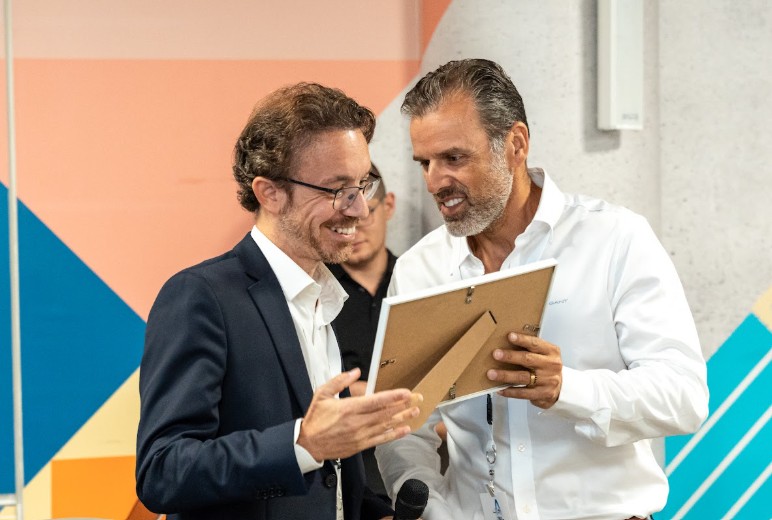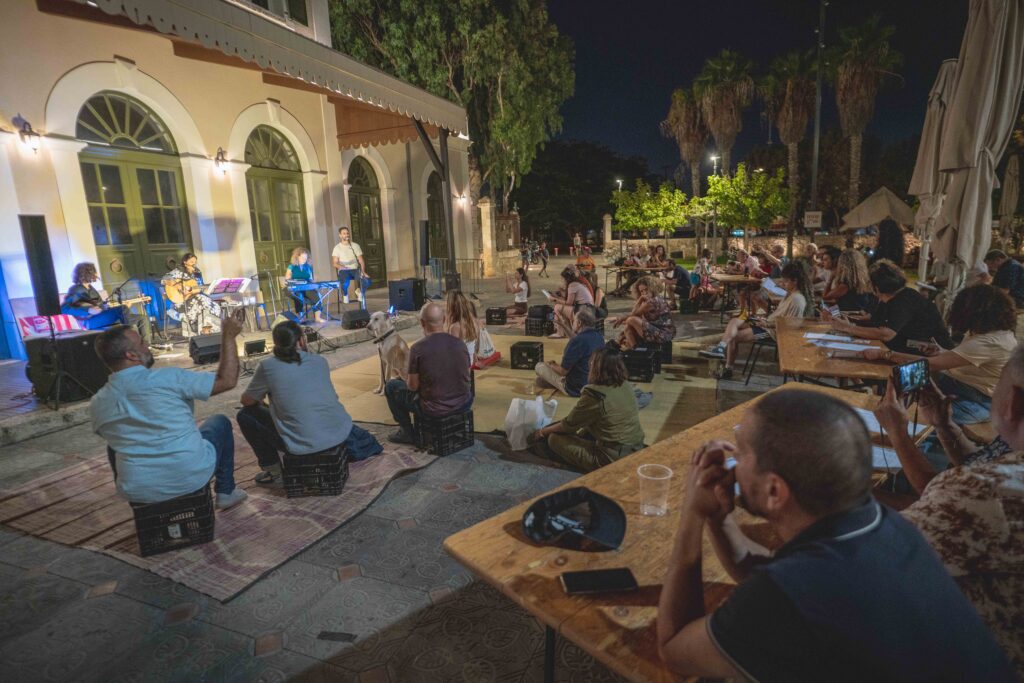
Tel Aviv University’s School of Dental Medicine and Beit Issie Shapiro have opened a new academic course on dental treatment for people with disabilities. Offered during the sixth year of dental studies, the course combines theoretical learning with supervised practical experience at Beit Issie Shapiro’s dental clinic.
This is the first time in Israel that dental care for people with disabilities has been taught as part of the academic training of dentists. The course opened during the current semester and includes lectures, online content, reading materials and a clinical rotation.
During the rotation, students work in pairs across the treatment rooms, observe procedures, assist the professional team and participate in discussions to process and analyze their observations.
Subjects include ethics in treating people with disabilities, accessibility of medical services, distinctive dental characteristics, barriers to treatment and methods of intervention.
The collaboration is led by Prof. Rachel Sarig, head of Tel Aviv University’s School of Dental Medicine, and Dr. Shalhav Malamud, director of the dental clinic at Beit Issie Shapiro. Dr. Malamud developed a person-centered dentistry model that received the Zero Project international innovation award in 2026. At the Beit Issie Shapiro clinic, the rate of treatments performed under general anesthesia has fallen from around 45% at conventional clinics to only 4%.
Prof. Sarig said introducing students to the subject during their training is intended to build a generation of dentists capable of providing better care not only for patients with disabilities, but also for patients dealing with anxiety, trauma or emotional barriers related to dental treatment.