Beit HaYotzer at Tel Aviv Port hosted the 70th ACUM Awards for 2025/26 on October 19, 2026. Eleven prizes recognized literature, poetry and concert music, including lifetime achievement awards for Shulamit Lapid and Gideon Lewensohn and a special award for Nurit Zarchi. ACUM marks its 90th anniversary this year.
Dan Shapira hosted the ceremony, with performances by Shlomo Gronich, Nitzan Ofir, Natan Slor and the Carmel Quartet. Six awards went to literature and poetry, four to concert music and a special Board of Directors prize to Nurit Zarchi. ACUM chairman Yoav Ginai presented Shulamit Lapid with her award. Her son, MK Yair Lapid, also spoke and congratulated her.
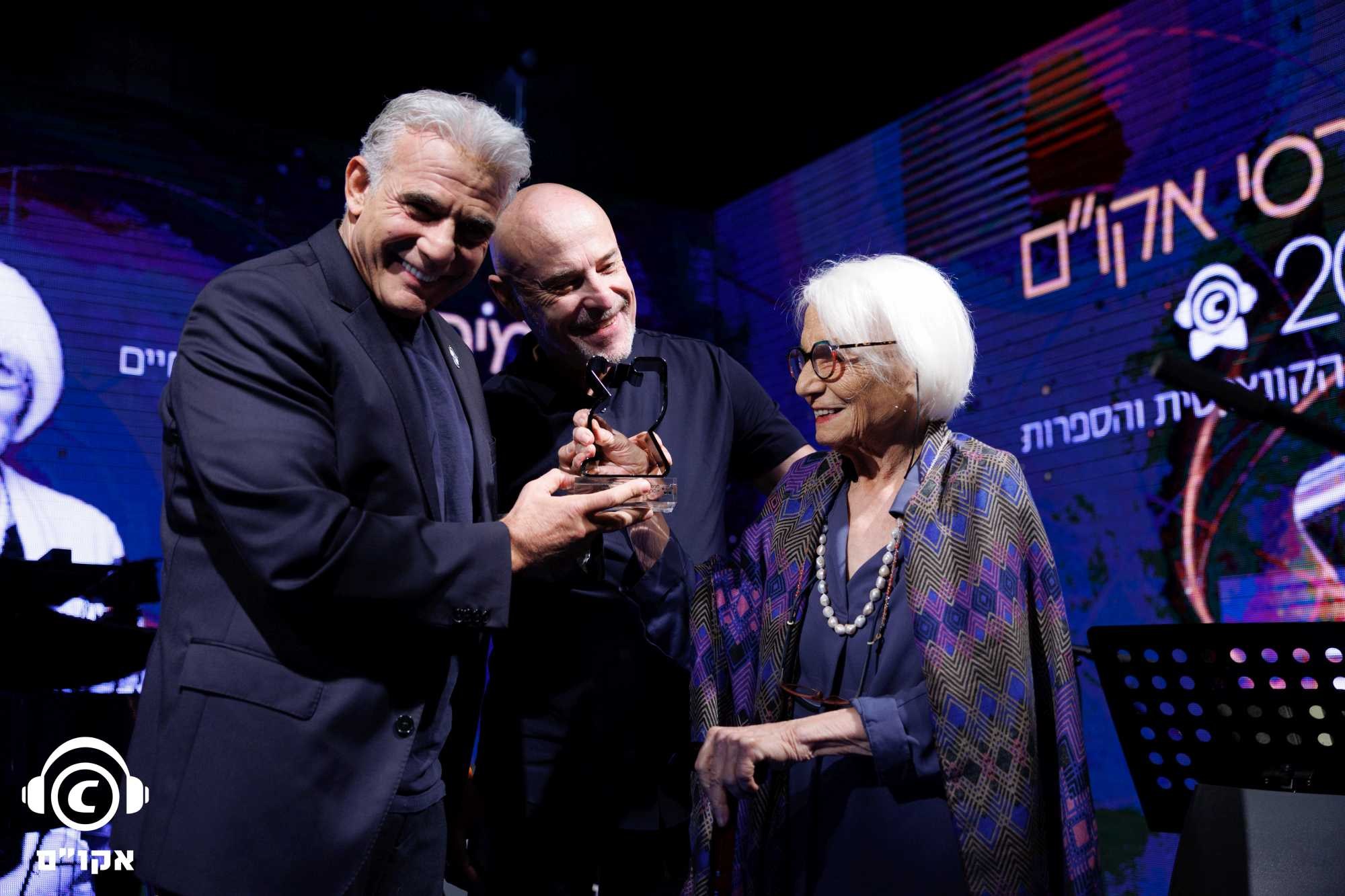
The list of winners includes veteran creators alongside recipients of encouragement awards for new works. The three main awards went to Shulamit Lapid, Gideon Lewensohn and Nurit Zarchi.
Lifetime Achievement Awards and the Special Prize
Shulamit Lapid received the Dalia Ravikovitch Lifetime Achievement Award in Literature. Over the years she has written novels, children’s and young-adult books, plays, short stories and crime fiction. Her works include “Gei Oni,” “Havat HaAlamot” and the series about journalist Lizzie Badihi.
Lapid’s fiction explores immigration, settlement and Israeli identity. “Gei Oni” and “Havat HaAlamot” also foreground women’s roles during the First and Second Aliyah. The judges highlighted her range across historical novels and crime fiction.
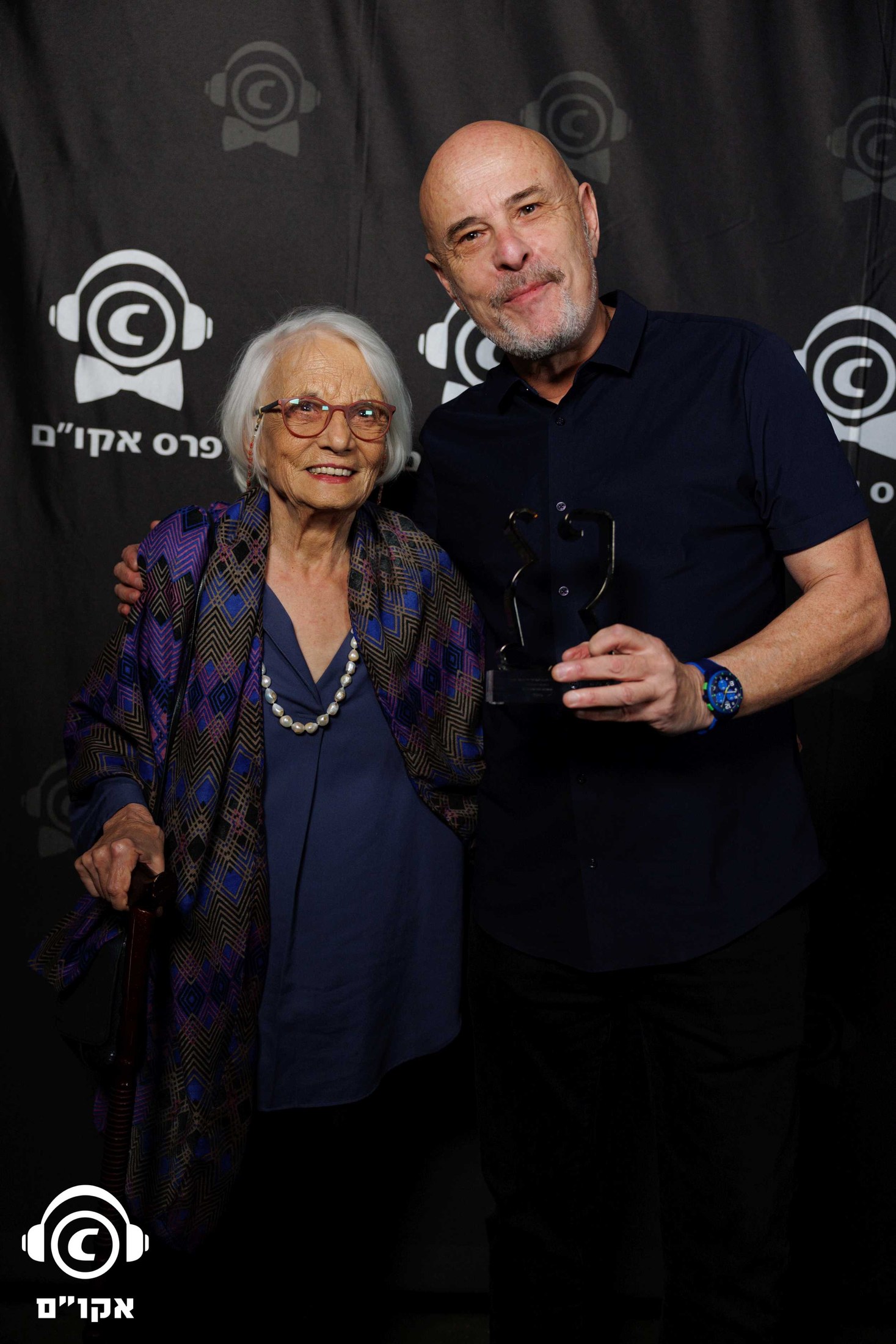
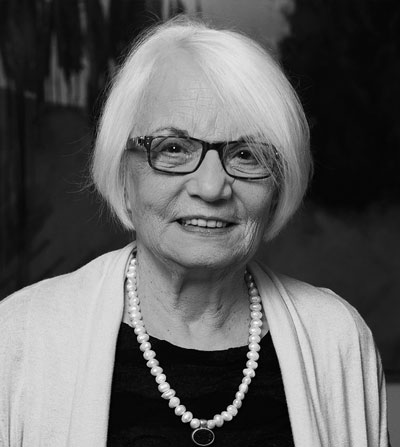
Gideon Lewensohn received the Paul Ben-Haim Lifetime Achievement Award in Concert Music. Lewensohn was among the founders of the composition program at Bar-Ilan University, and the prize recognizes his contribution as a composer and educator.
Lewensohn’s music engages with literature, theater, Jewish sources and writers including Kafka, Beckett and Bruno Schulz. His work spans chamber, vocal, stage and instrumental music. The jury also recognized his contribution to composition teaching.
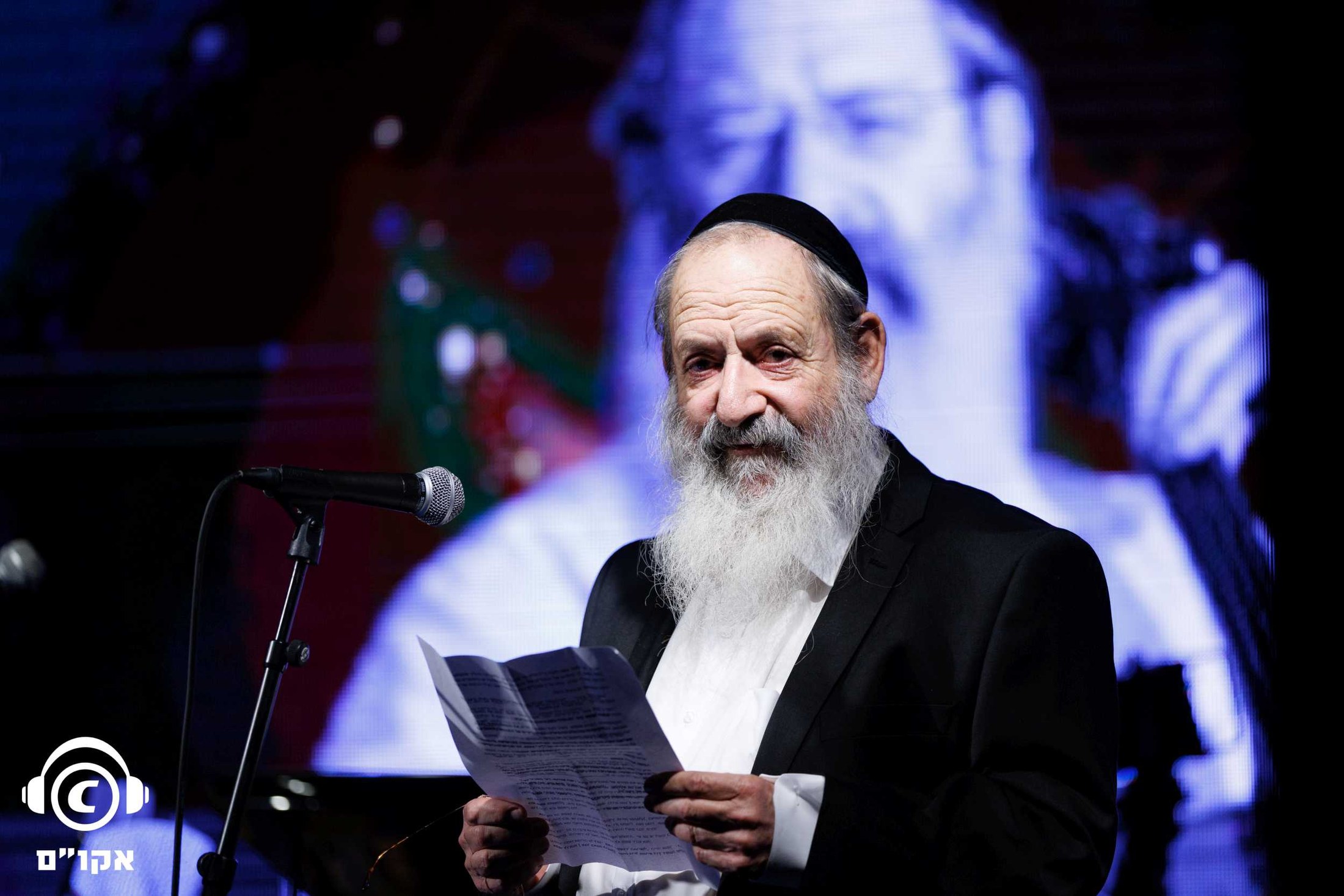
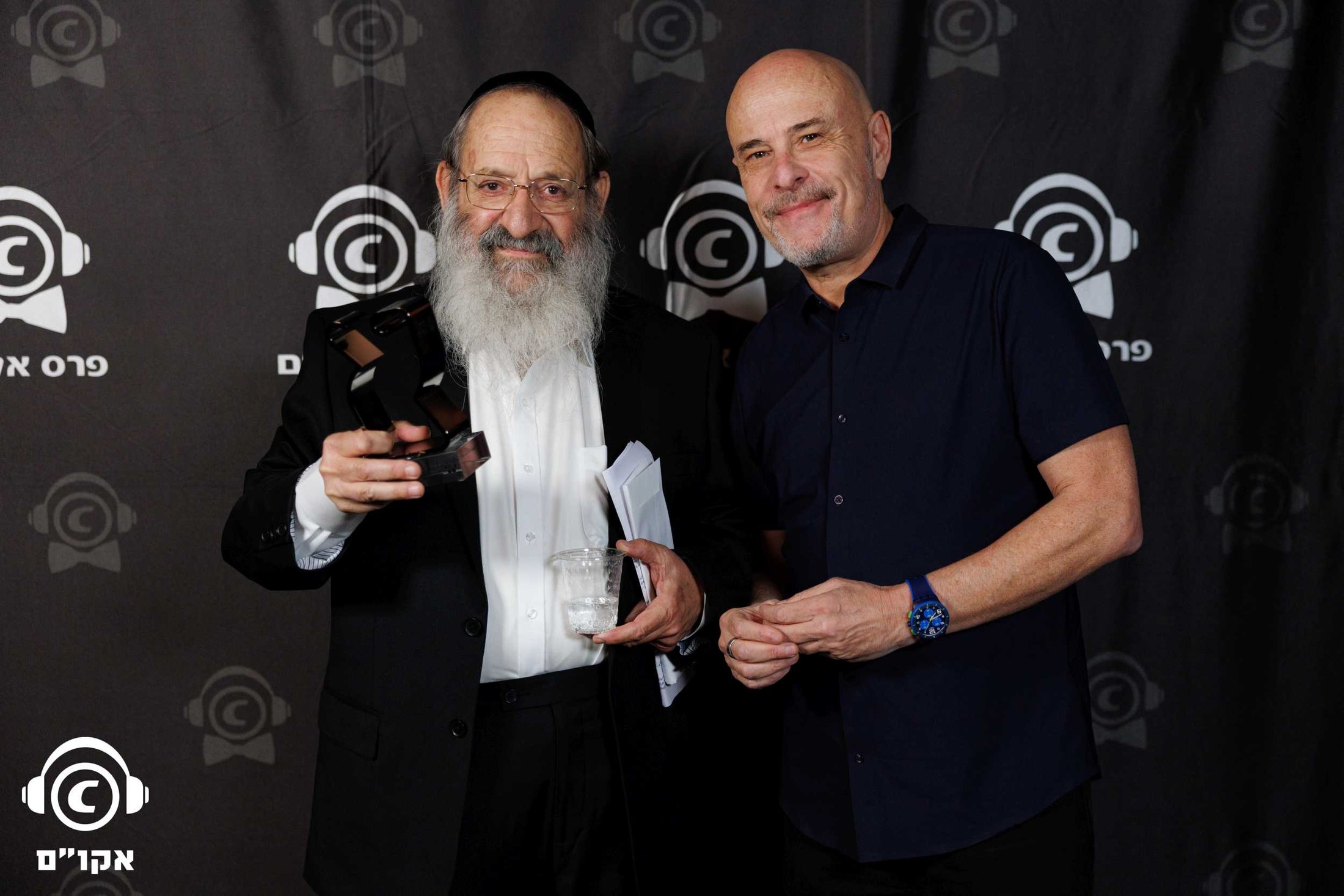
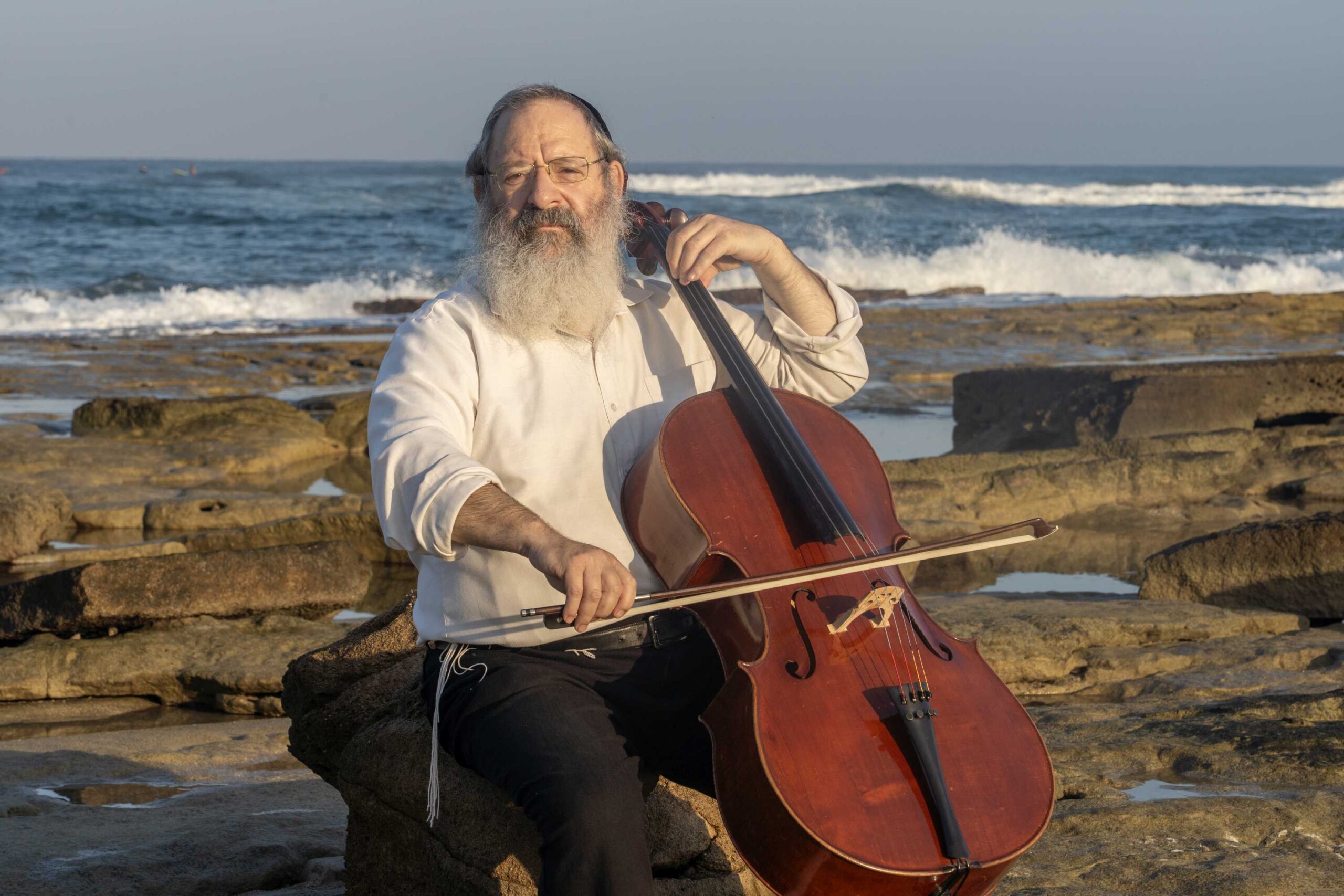
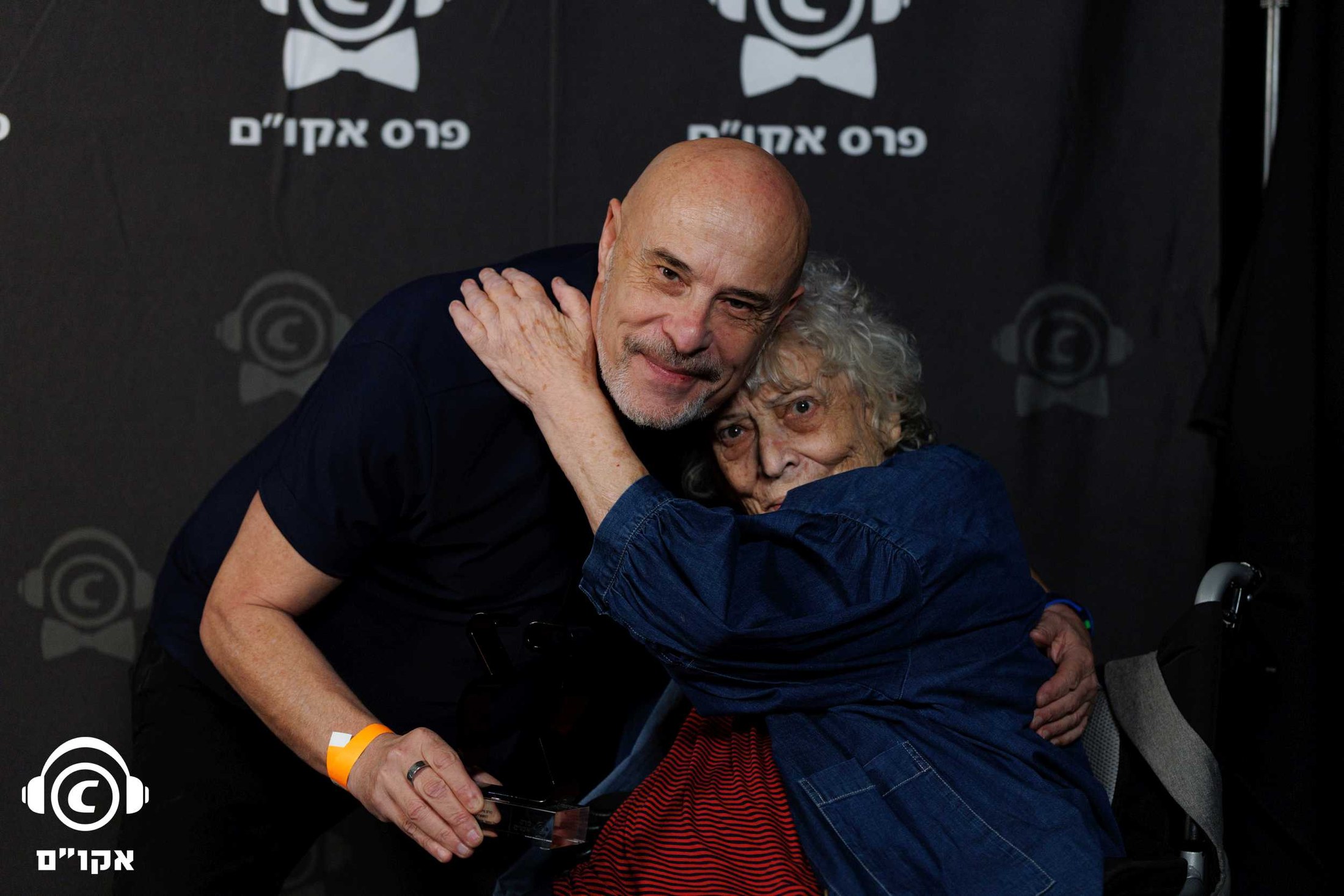
Nurit Zarchi received a special Board of Directors award for her contribution to Hebrew culture. Zarchi has published more than 160 books spanning poetry, prose, children’s literature and essays.
The board recognized Zarchi’s innovations in Hebrew and her influence on generations of readers and writers. Her work also includes memoirs, and she continues to publish alongside her extensive earlier writing.
Fiction, Poetry and Children’s Literature
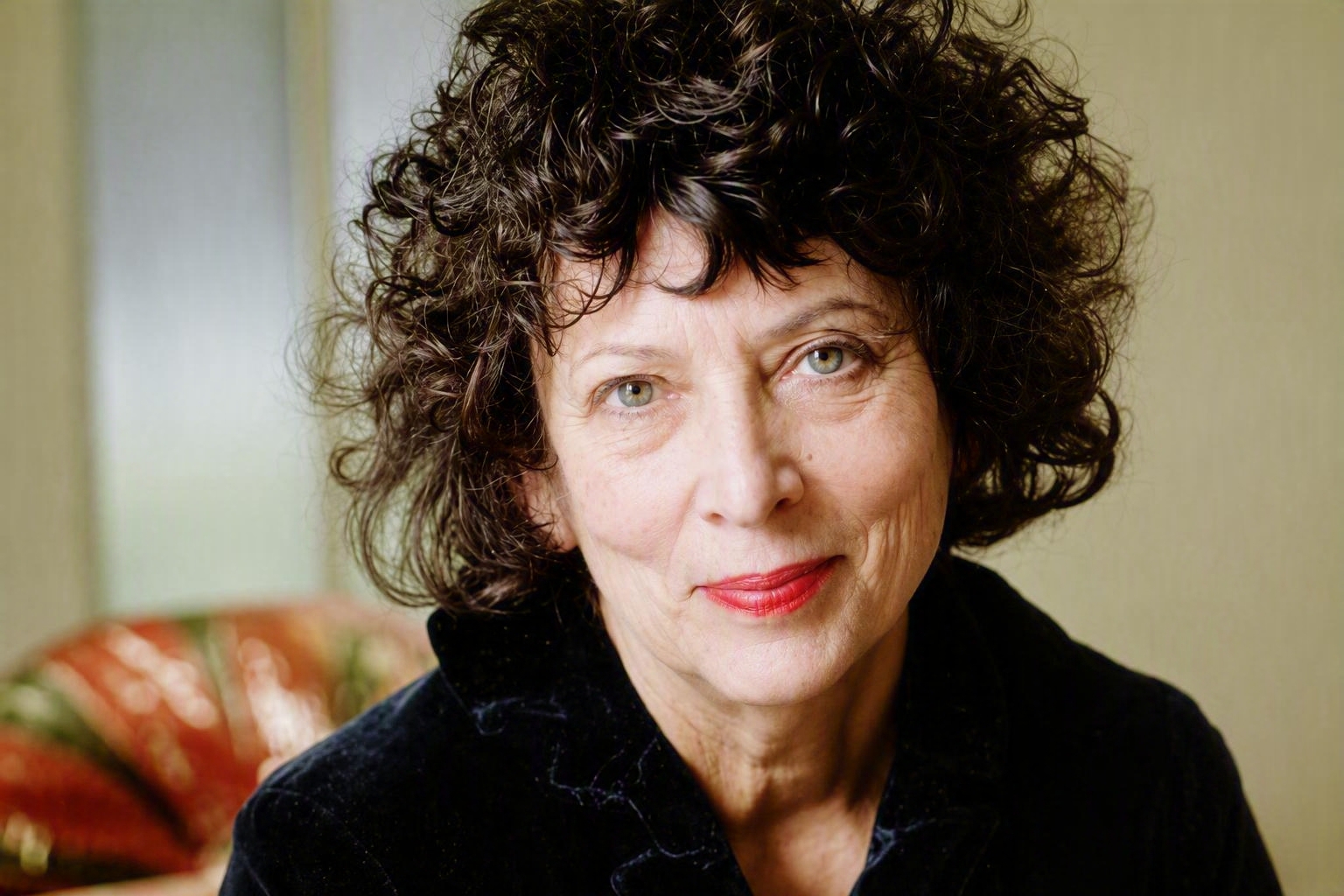
Shoham Meidan won an encouragement award for publication of a fiction book for “Dear Passengers.” The book follows passengers on a bus from Eilat to Jerusalem, building a mosaic of different characters and groups in society.
“Dear Passengers” follows a soldier, an older kibbutz member, an Arab man, a daughter of Russian immigrants and a daughter from an ultra-Orthodox family on the Eilat-Jerusalem bus. Shifting perspectives reveal their individual inner lives beyond those social labels. The prose encouragement prize is named for Shlomo Tanai.
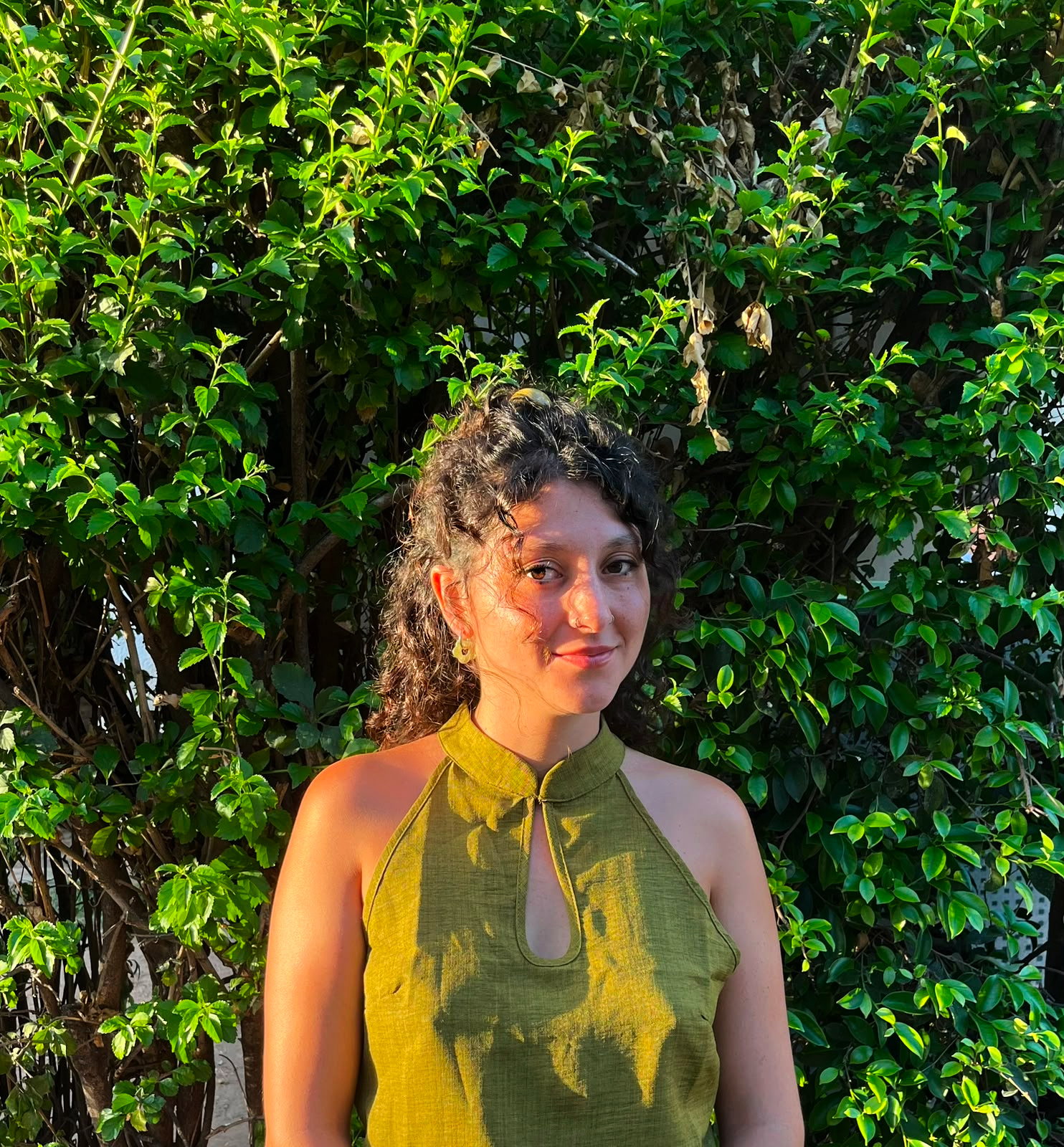
Sarit Sari received an encouragement award for publication of a children’s and young-adult book for “Polite Giraffe for Sale,” a rhyming story about Sylvia the giraffe and a boy named Omri.
In the rhyming story, Omri’s family buys him Sylvia the giraffe as a birthday present. The boy feels small in a vast world, and their relationship brings him joy and vitality. The children’s and young-adult literature prize is named for Dvora Omer.
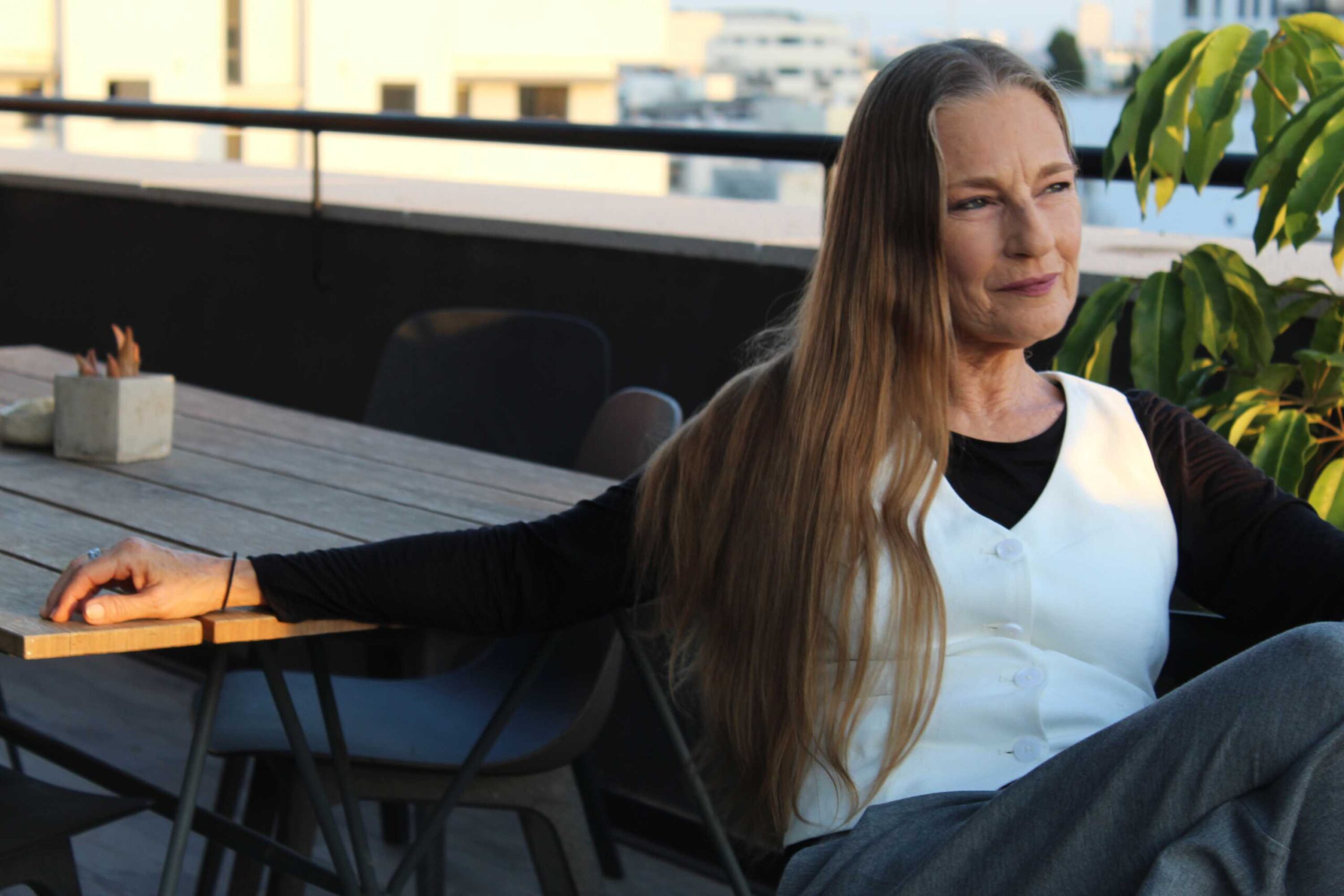
Amos Noy won an encouragement award for publication of a poetry book for “Sorrow Falls on the World Like a Shadow.” Rinat Schneidower won the anonymous-submission fiction award for “Tzvia Warburg,” centered on a 78-year-old former actress reconsidering aging, loneliness and freedom. Udi Sharabani won the anonymous-submission poetry award for “Shoshana Shoshana Shoshana.”
Noy received the Shlomo Tanai poetry encouragement award. The judges emphasized loss and longing, musicality, wordplay, humor and compassion, and the poems’ connection between memories of the dead and the living.
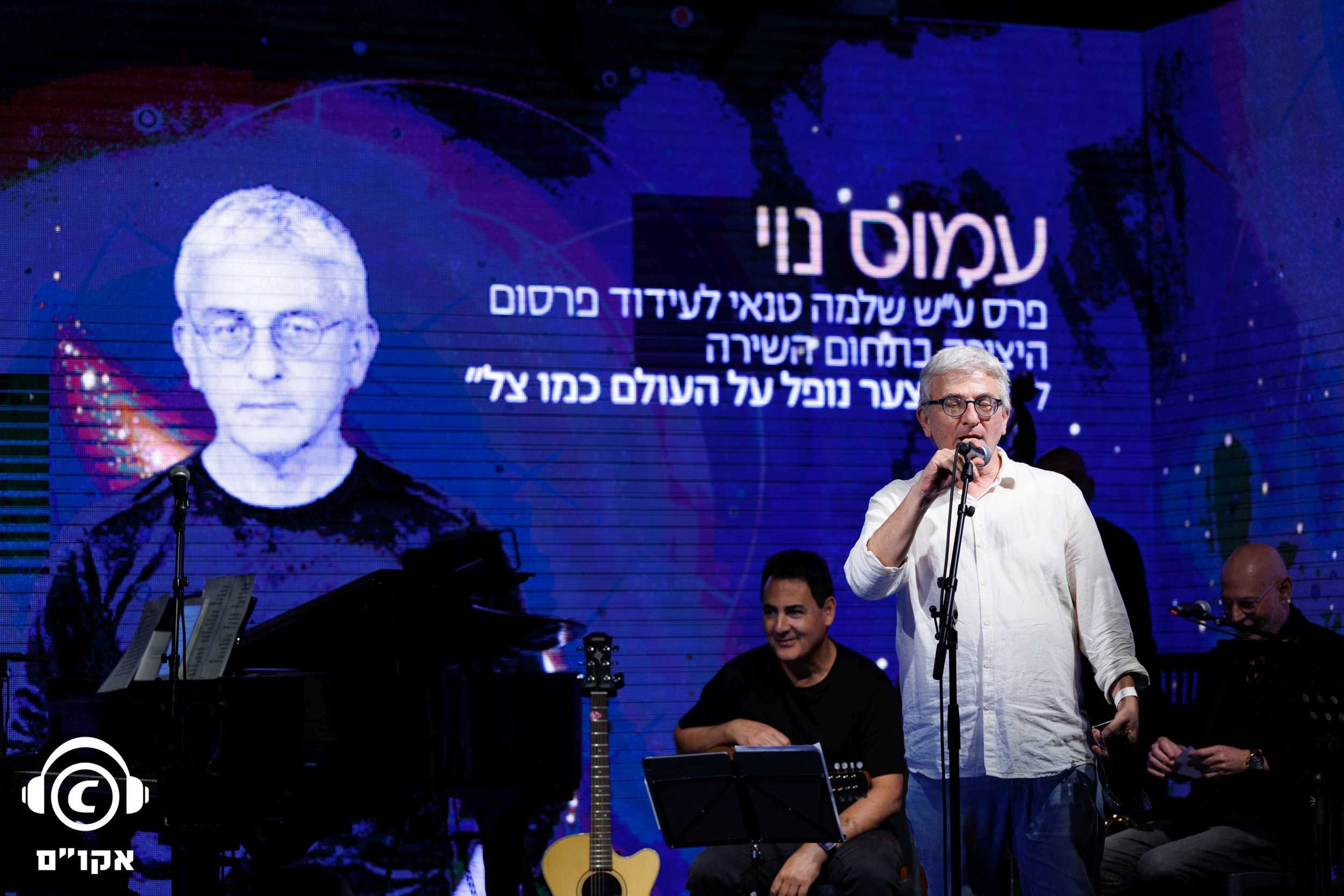
The anonymously submitted fiction prize is named for Aharon Ashman. “Tzvia Warburg” also examines alienation, desire and independence in old age, with wartime sirens accompanying the former actress and mother’s refusal to accept a bleak ending.
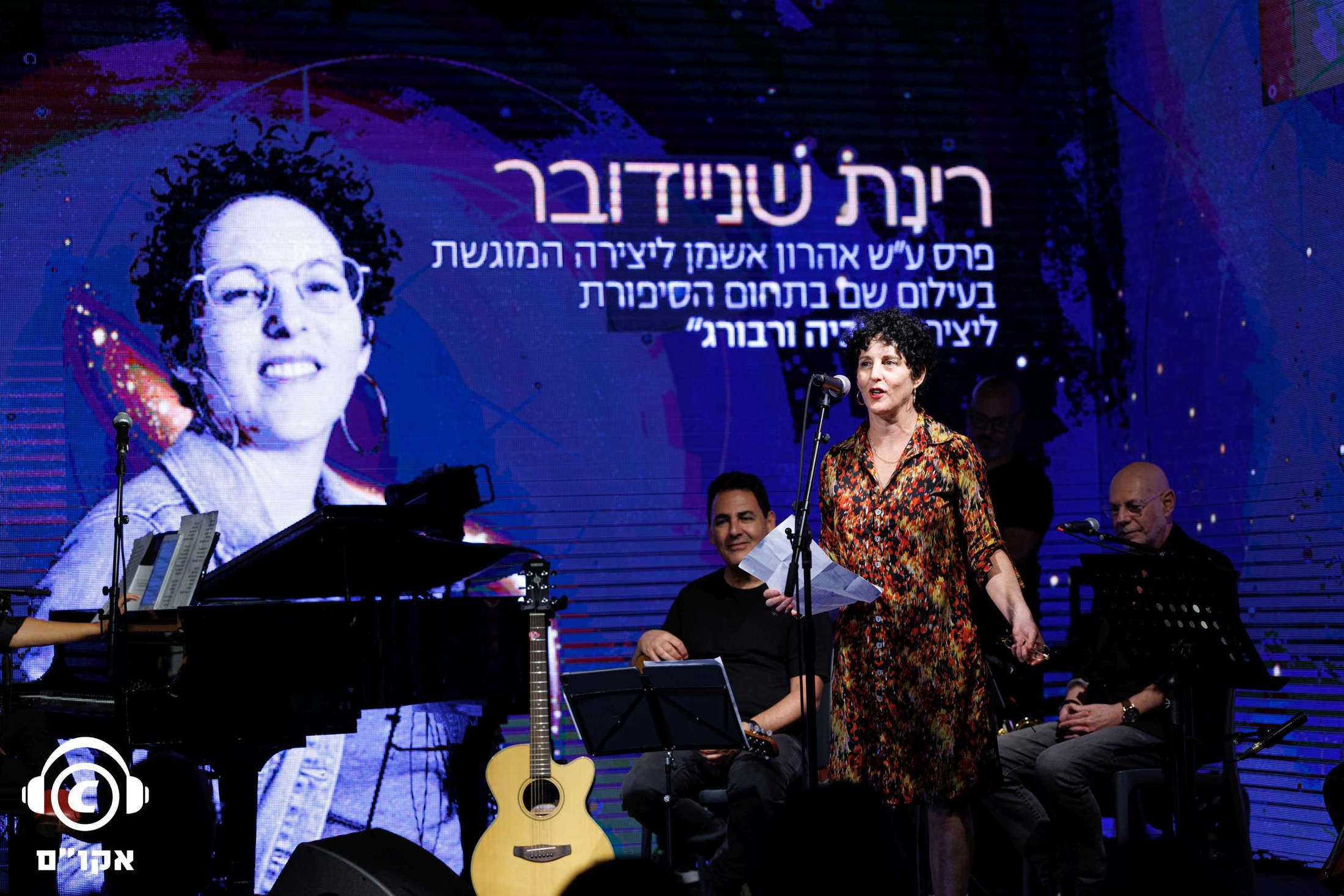
Sharabani received the Natan Yonatan prize for anonymously submitted poetry. The judges singled out the interplay of different registers of Hebrew and different forms of writing in “Shoshana Shoshana Shoshana.”
Three Awards for Concert Music
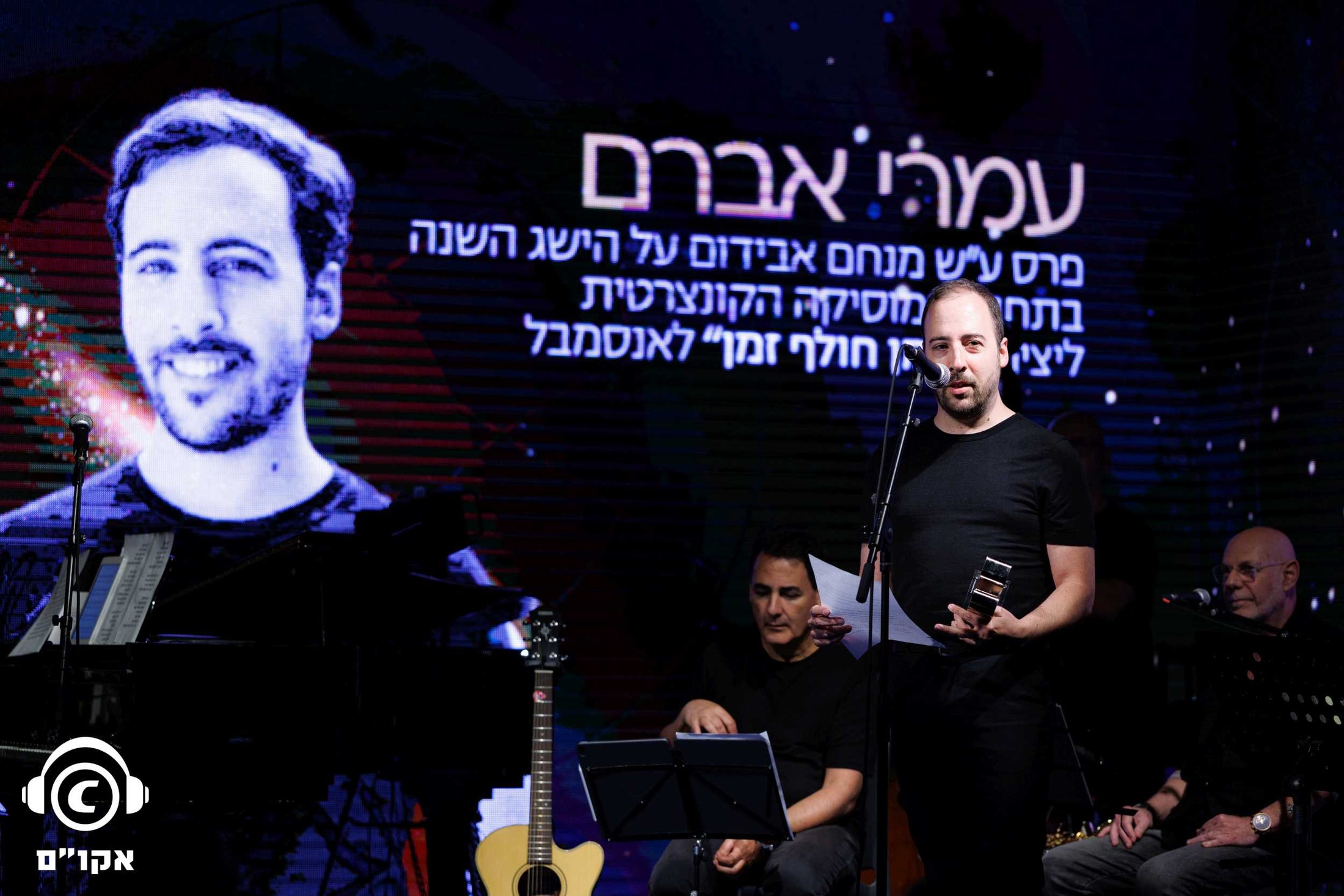
Omri Abram received the Menachem Avidom Award for Achievement of the Year for “Time Passes Time.” The work was written for ensemble and incorporates original sound-production techniques, including playing strings with grooved sticks.
For “Time Passes Time,” the judges highlighted extended playing techniques, including grooved sticks used on string instruments, and the interplay of harmony and texture. The achievement award is named for Menachem Avidom.
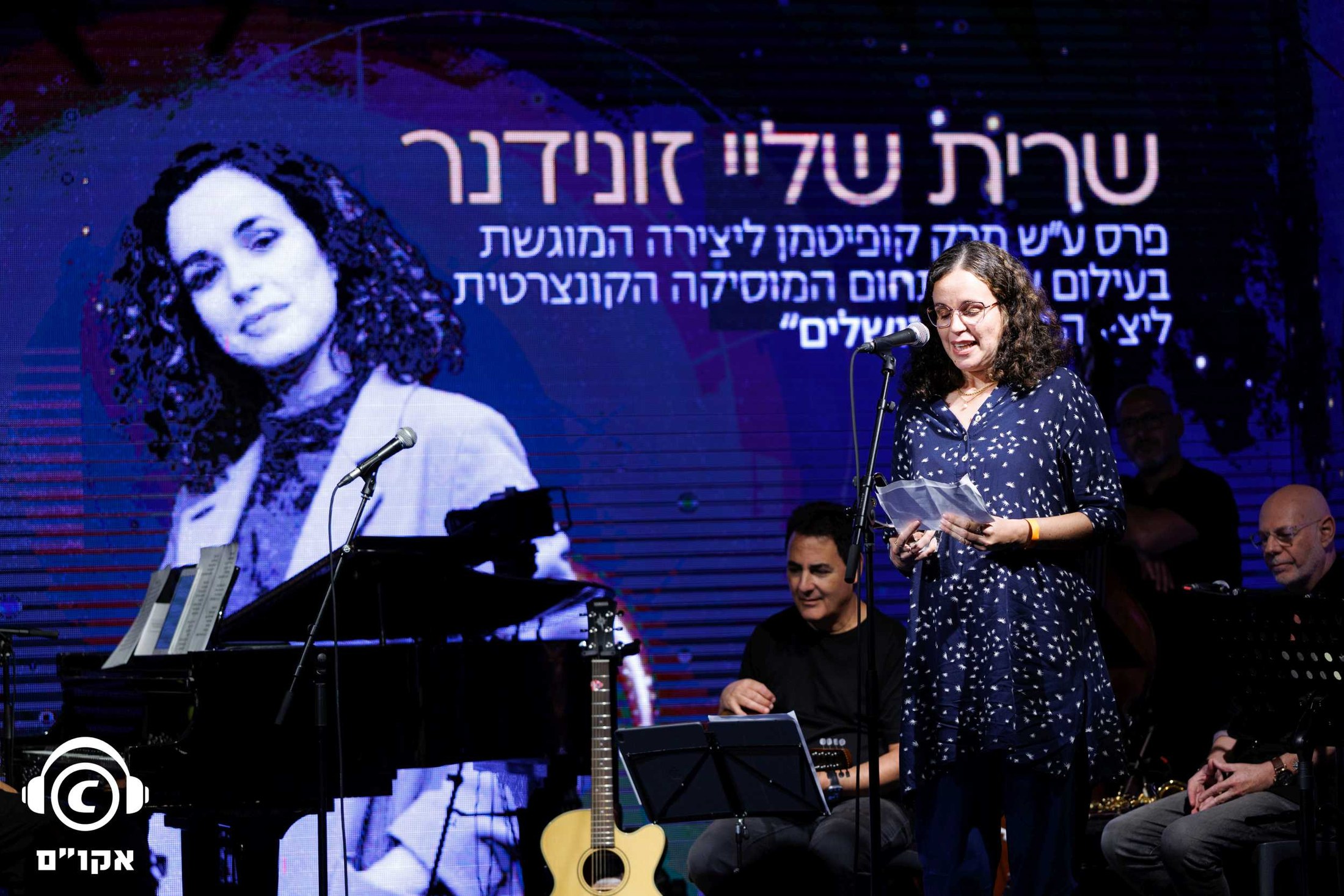
Sarit Shley Zondiner won the Mark Kopytman Award for an anonymously submitted work for “Poems of Jerusalem.” She set poems by Yehuda Amichai for soloist, ensembles, choir, electric guitars, electronics and video.
“Poems of Jerusalem” draws on Yehuda Amichai’s Jerusalem poems. It breaks language into vowels and consonants and combines traditional and graphic notation. Its anonymous-submission award is named for Mark Kopytman.
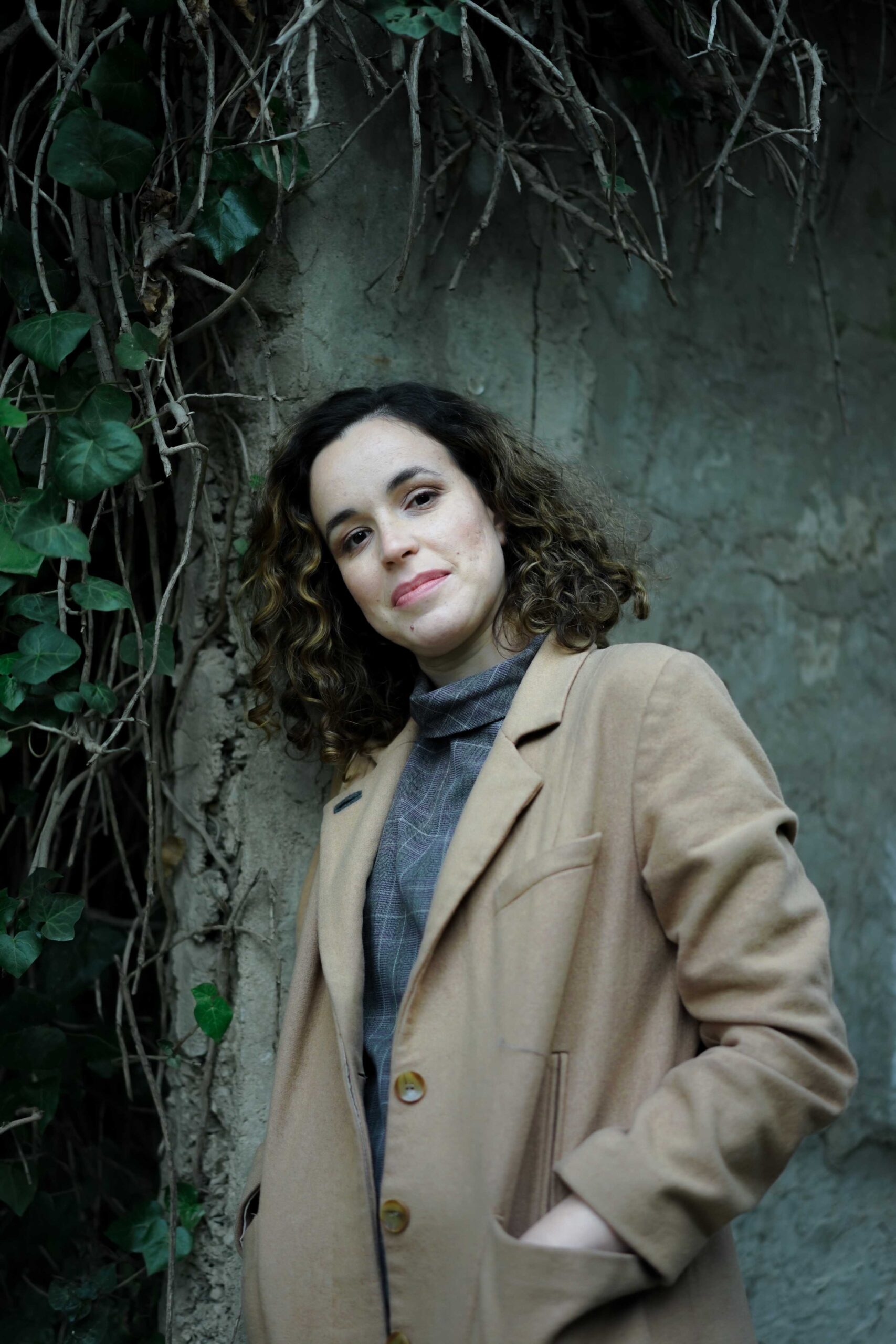
Sara Shoham received the Haim Alexander Encouragement Award for publication of a work for “Toys.” The piece is based on poems by Abraham Sutzkever, written for choir and instrumental ensemble, and performed in three languages.
The Haim Alexander encouragement award recognized “Toys.” The judges highlighted Shoham’s choral writing and the relationship between Abraham Sutzkever’s poetry and the music in three languages.
Judging Committees
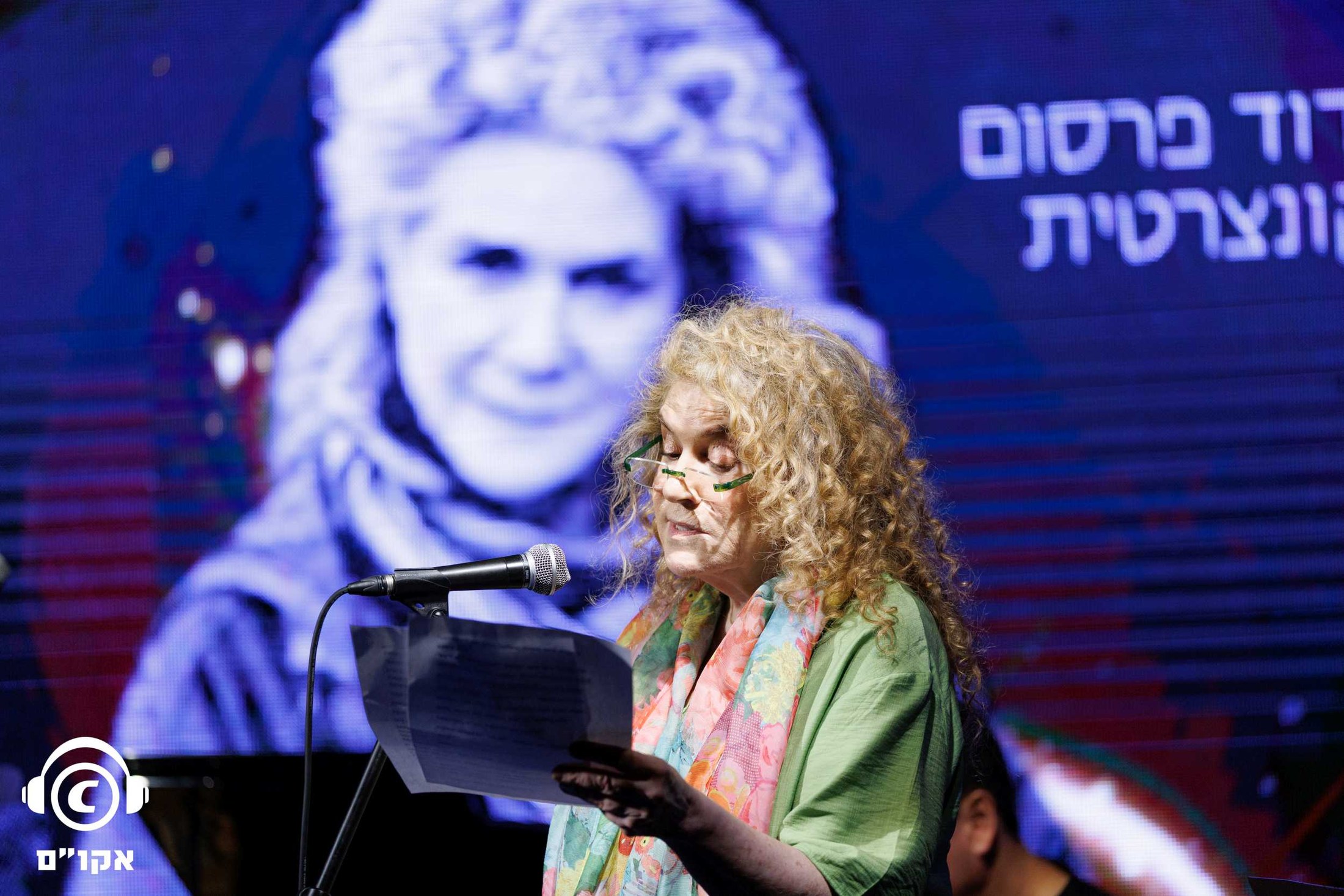
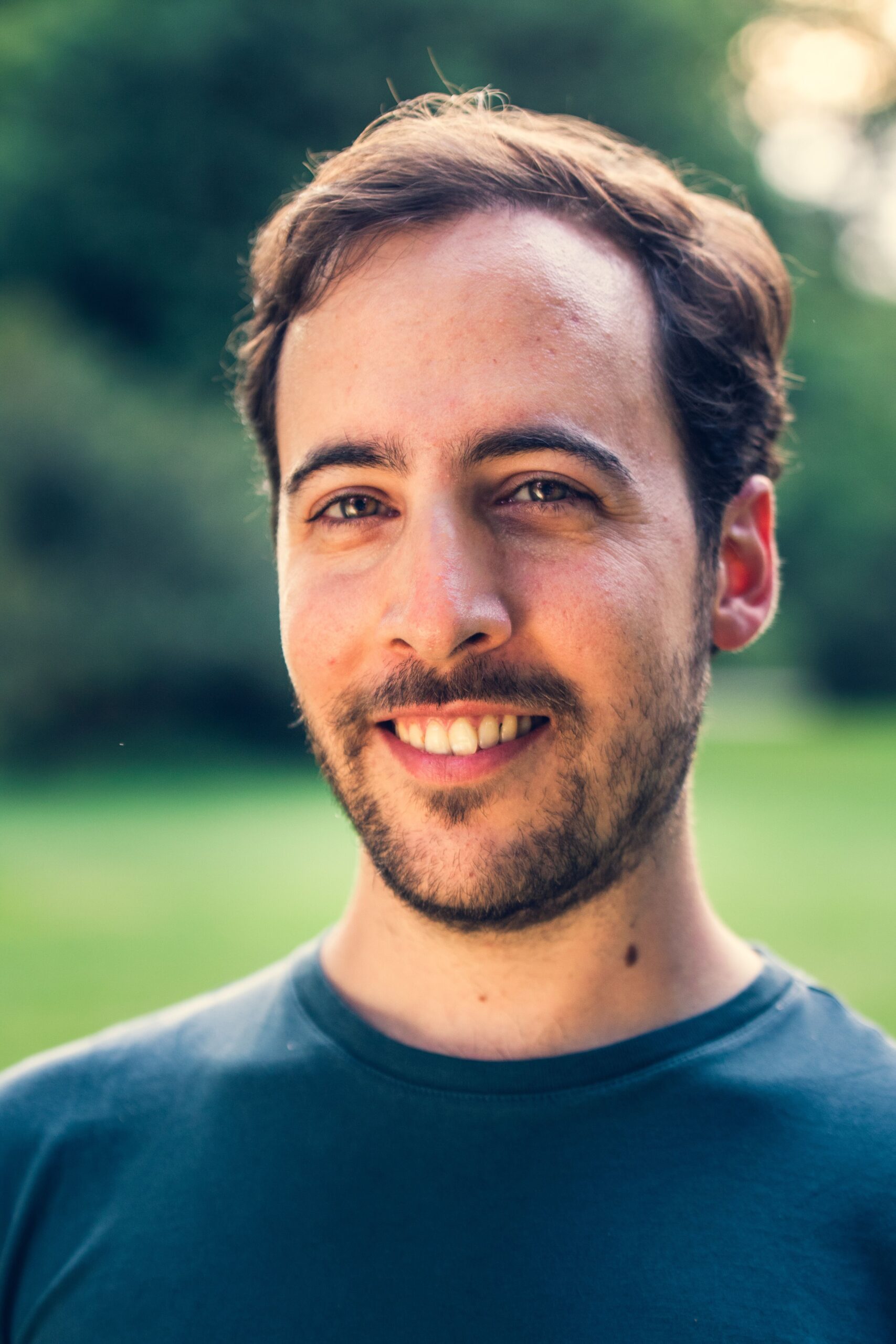
The literature committee included Hanna Goldberg, Yehudit Katzir and Shai Schneider-Eilat. Concert music works were judged by Prof. Betty Olivero, maestro Doron Salomon and Dr. Yair Klartag.
ACUM Honors the Winners
Yoav Ginai, ACUM chairman
“Writers, poets and composers of concert music play a crucial role in Israeli culture. Their work reflects us as a people and a society across generations and represents the best of Israeli culture with distinction in Israel and around the world. At ACUM, we are moved each year by the tremendous contribution of these creators and are proud to honor and support them. We will continue the tradition we have led for nine decades by presenting these awards for excellence. I warmly congratulate the winners and wish them and all creators days of light, creative freedom and good news.”
Assaf Nahum, ACUM CEO
“I congratulate the winners of the ACUM Awards. Musical and literary creation are an important and inseparable part of Israeli cultural identity in all its diversity. I am proud to lead an organization that respects creative work, honors its creators and makes room for the variety and cultural richness of our country.”