Tel Aviv Cinematheque’s November 2026 program brings together five strands: European classics of the 1980s and 1990s, films about rebellion, a Mikio Naruse retrospective, Andrzej Wajda’s war trilogy and five screenings of “Franz,” Agnieszka Holland’s portrait of Franz Kafka. Following auditorium renovations and the holiday period, the lineup combines dozens of films with digital restorations, discussions and introductory talks.
European postmodernism: taking cinema apart
Running throughout November, this program revisits European cinema of the 1980s and 1990s through films by Almodóvar, Besson, Carax, Greenaway and Assayas. It follows a generation that treated film history as material to combine with pop culture, fashion, music, advertising and Hollywood genres, from Almodóvar’s melodrama, punk and camp to Carax’s Paris and Greenaway’s experiments with the body and the limits of good taste.
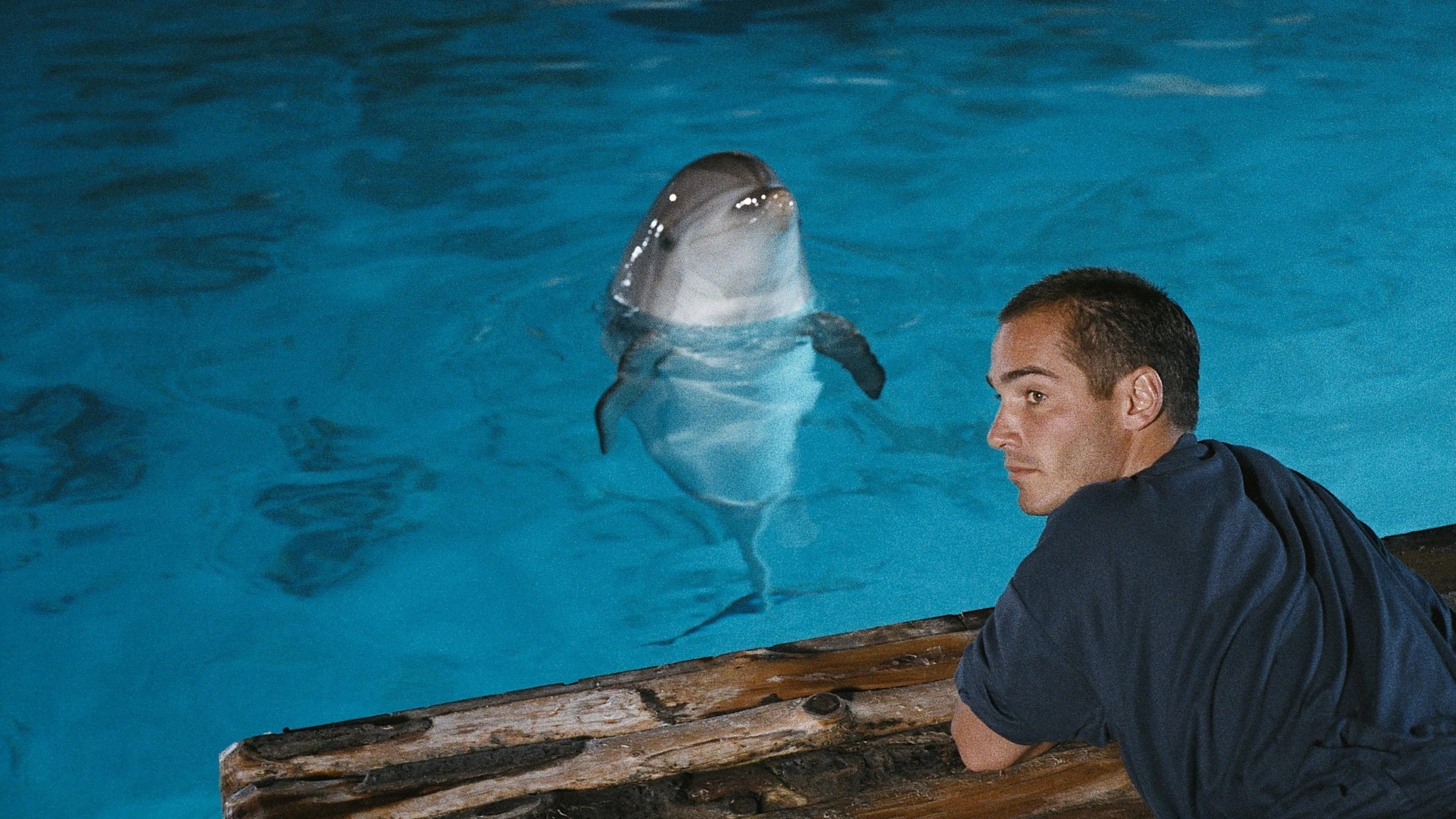
The Big Blue – director’s cut (Luc Besson, 1988): Free-diving rivals, friendship and an obsession with the sea shape Besson’s drama.
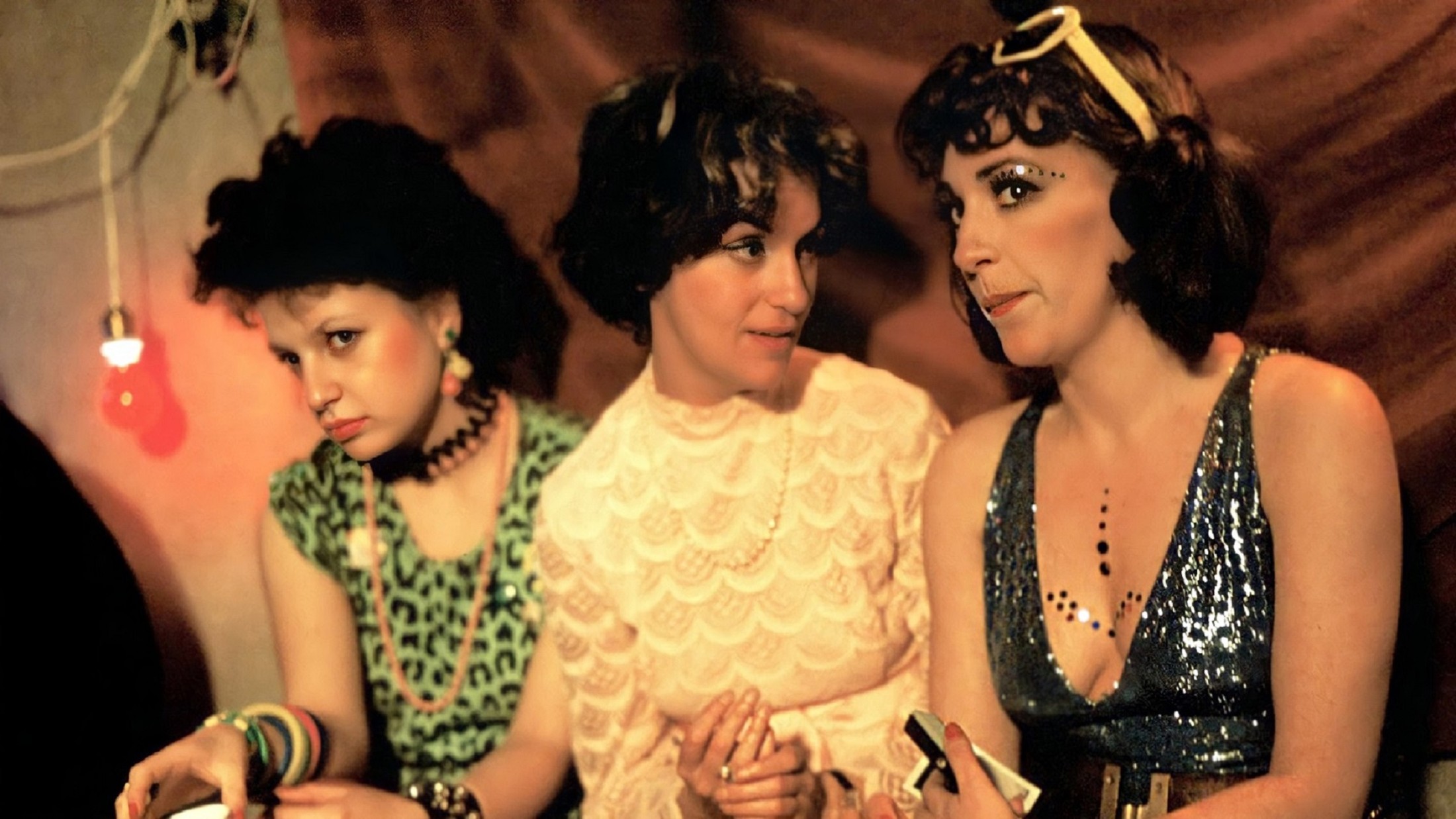
Pepi, Luci, Bom (Pedro Almodóvar, 1980): Almodóvar’s punk comedy debut introduces the desire and irreverent humor that would become central to his work.
The Lovers on the Bridge (Leos Carax, 1991): Two wanderers fall in love on the Pont Neuf in Paris.
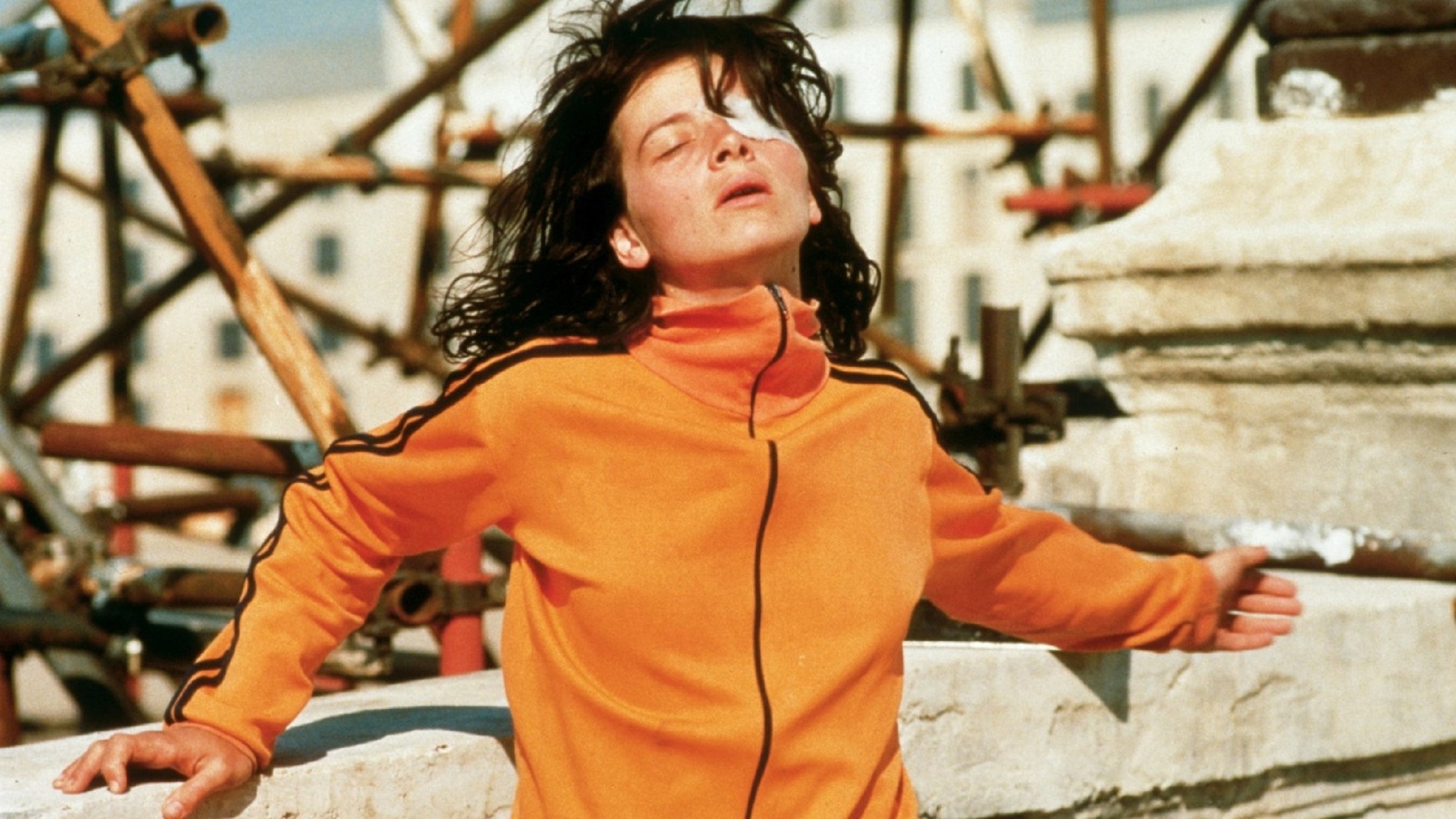
Nikita (Luc Besson, 1990): A young woman sentenced to life in prison is offered a chance at a new life in exchange for training as a government assassin.
Léon: The Professional (Luc Besson, 1994): A solitary hitman forms an unusual bond with a 12-year-old girl after her family is murdered, in the film that introduced Natalie Portman.
Boy Meets Girl (Leos Carax, 1984): Carax’s black-and-white debut follows young love, loneliness and nocturnal life in Paris.
Irma Vep (Olivier Assayas, 1996): Maggie Cheung stars in a witty film about a French director trying to remake a silent film serial.
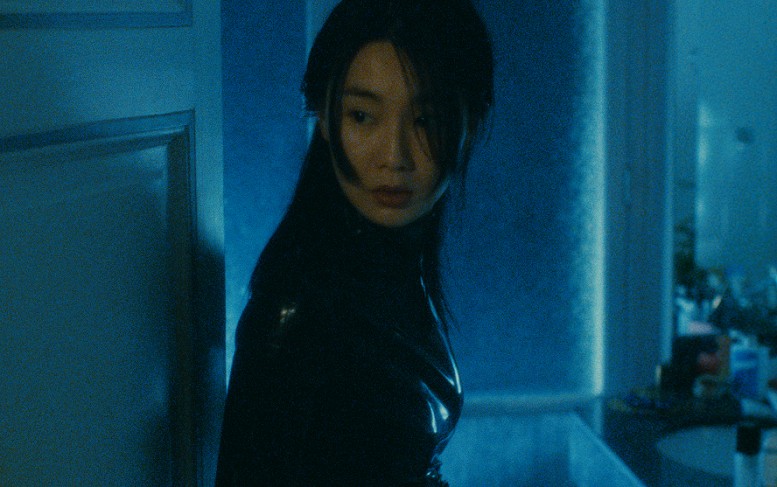
Bagdad Cafe (Percy Adlon, 1987): A German tourist and a motel owner meet in the American desert, forming a friendship that changes their lives.
Matador (Pedro Almodóvar, 1986): Bullfighting and human obsession intertwine in an erotic thriller about desire, guilt and death.
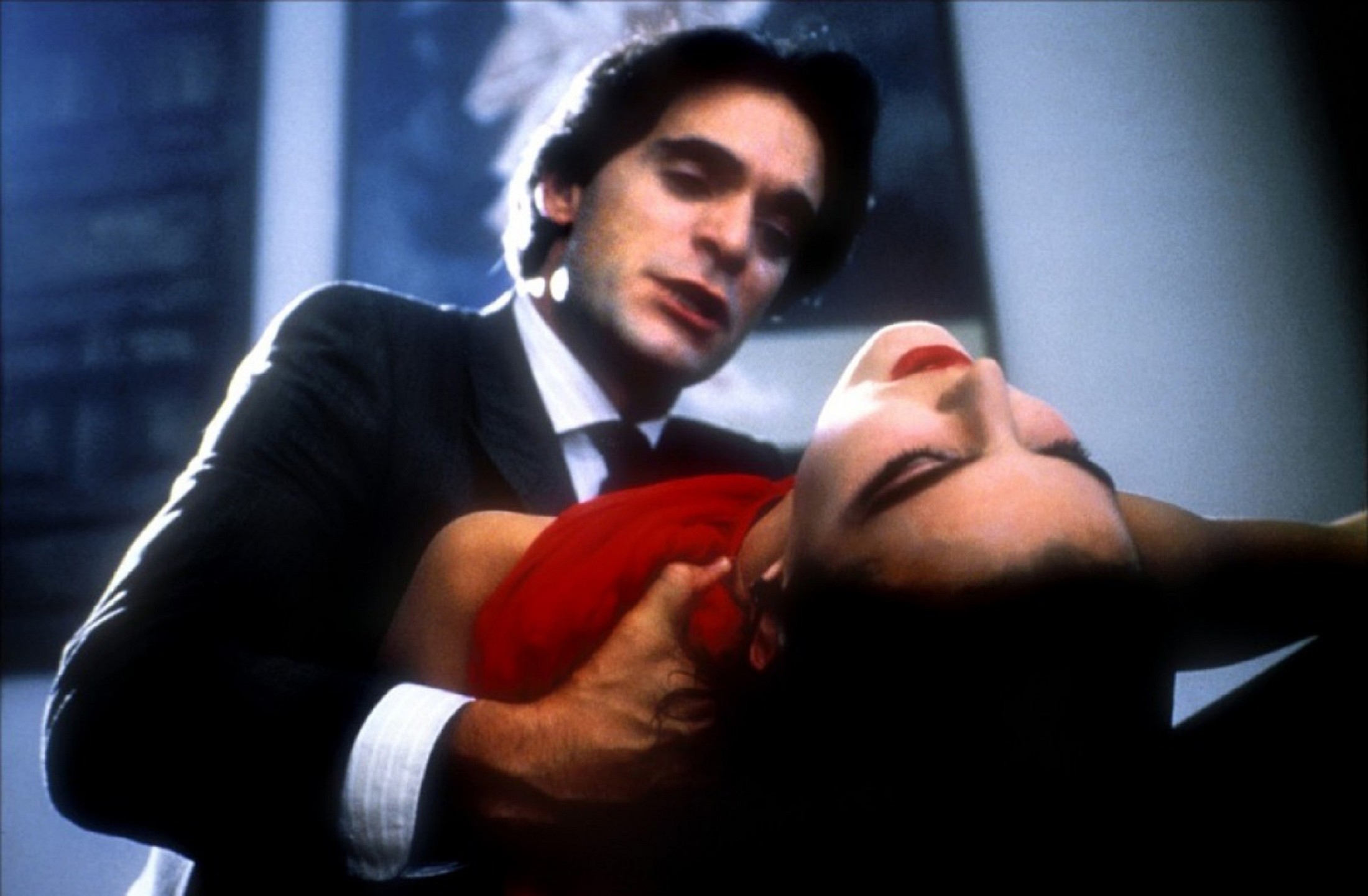
Drowning by Numbers (Peter Greenaway, 1988): Three women with the same name, mysterious deaths and numerical games drive a stylized black comedy.
Women on the Verge of a Nervous Breakdown (Pedro Almodóvar, 1988): Women, lovers, secrets and gazpacho converge in a Madrid penthouse.
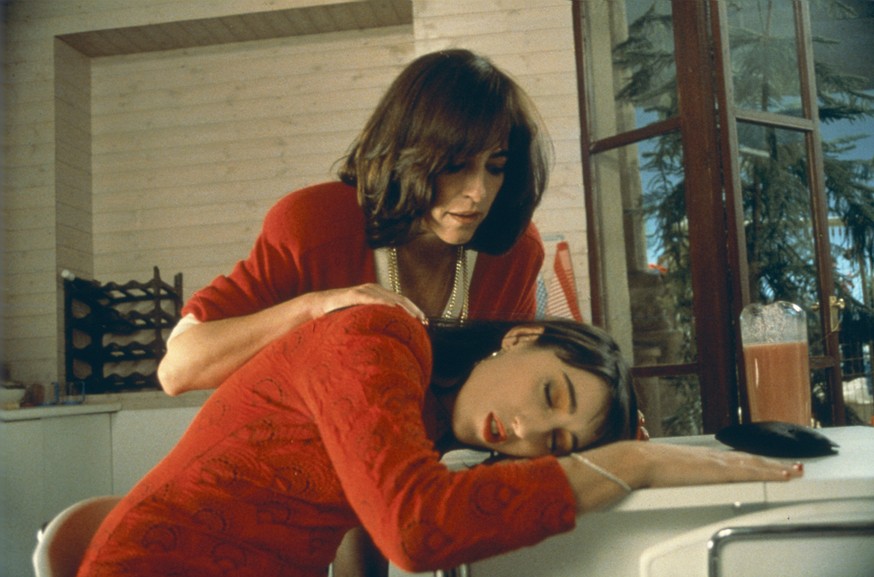
The Cook, the Thief, His Wife & Her Lover (Peter Greenaway, 1989): Power, desire and revenge collide in a visually elaborate, violent drama.
Law of Desire (Pedro Almodóvar, 1987): A queer melodrama brings together love, creativity, jealousy and obsession.
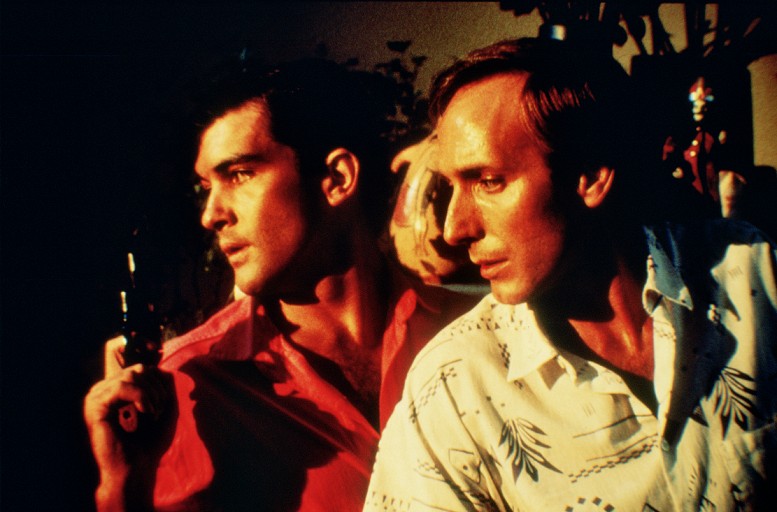
Betty Blue (Jean-Jacques Beineix, 1986): A passionate love story that became one of the cult films most associated with French cinema of the 1980s.
Forever rebels: rage, resistance and anarchy
Beginning November 5 and continuing through the end of the month, this series examines resistance to government, colonialism, social protest and cinematic convention. Its opening date recalls Guy Fawkes and the Gunpowder Plot of 1605. Revolutionaries, anarchists and people crushed by bureaucracy confront totalitarian regimes, censorship and other systems of control.
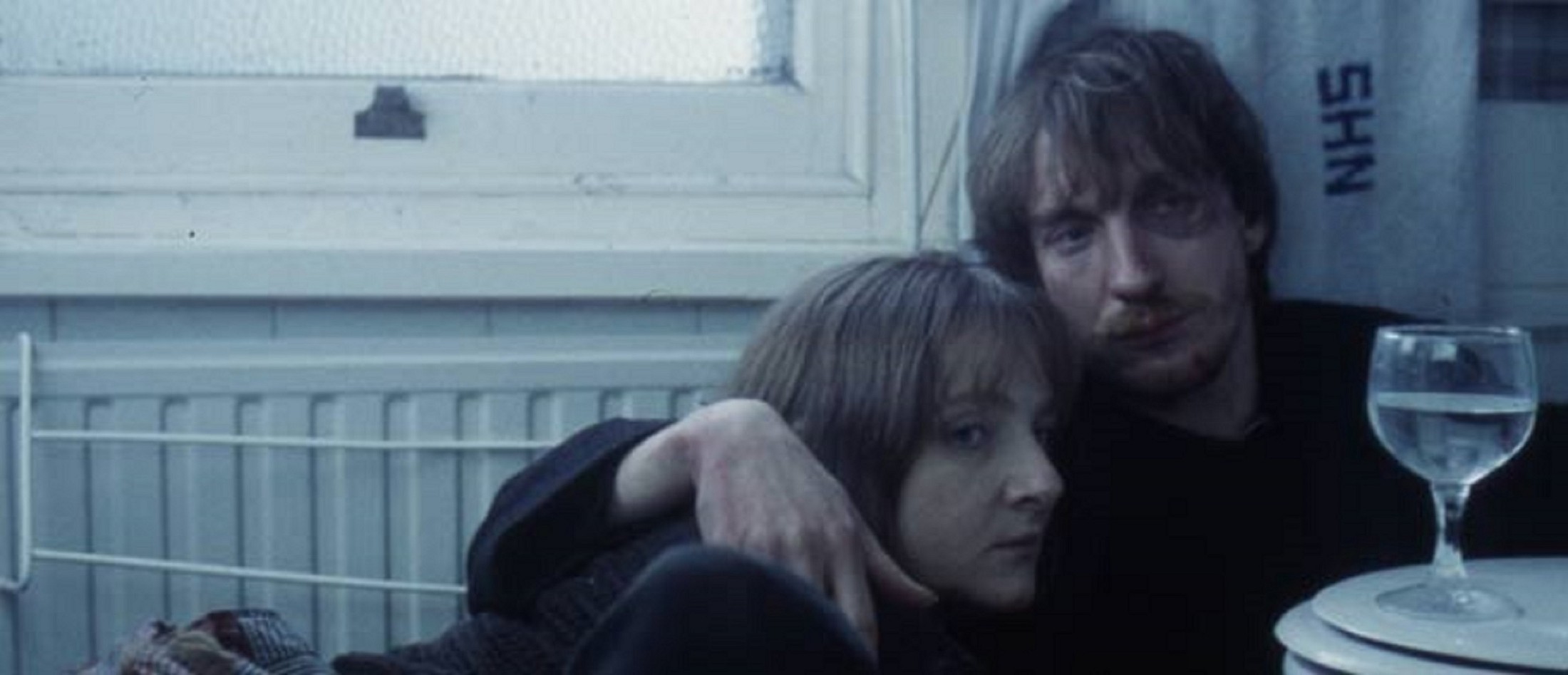
Naked (Mike Leigh, 1993): An acerbic, philosophical antihero wanders the streets of London at night.
V for Vendetta (James McTeigue, 2005): A freedom fighter wearing a Guy Fawkes mask takes on a totalitarian regime in a future Britain.
One Battle After Another (Paul Thomas Anderson, 2025): Former revolutionaries, family ties and persecution meet in a political thriller about the individual and systems of power.
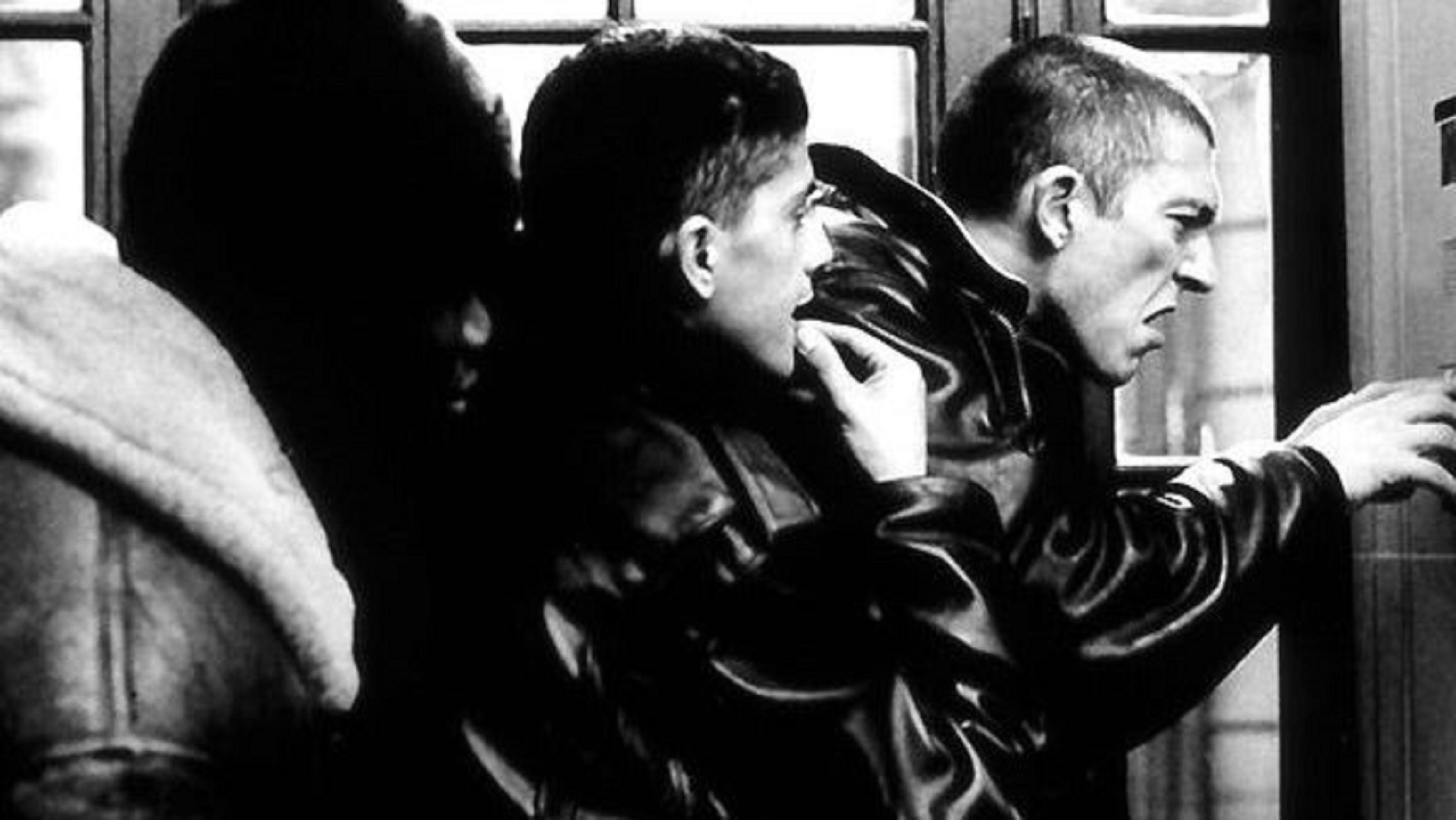
La Haine (Mathieu Kassovitz, 1995): Three young men spend an explosive day in the Paris suburbs after police violence.
Brazil (Terry Gilliam, 1985): A minor official tries to escape a monstrous bureaucracy in a surreal dystopian satire.
Love and Anarchy (Lina Wertmüller, 1973): An anarchist farmer travels to Rome to assassinate Mussolini and finds himself in a brothel, caught between love and revolution.
The Battle of Algiers (Gillo Pontecorvo, 1966): A reconstruction of Algeria’s struggle for independence from French rule.
Pink Flamingos (John Waters, 1972): A cult film uses deliberately bad taste and extreme humor to challenge social and cinematic conventions.
Allonsanfàn (Paolo and Vittorio Taviani, 1974): An exhausted Italian revolutionary is torn between youthful ideals and the comfort of a bourgeois life.
Help! (Richard Lester, 1965): The Beatles star in a colorful musical comedy built around nonsense and anarchic storytelling.
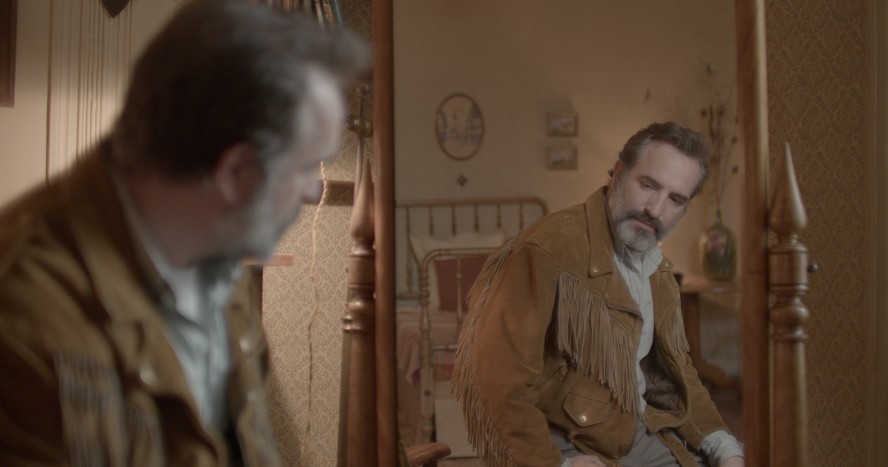
Deerskin (Quentin Dupieux, 2019): A man obsessed with his suede jacket launches an absurd campaign against every other jacket in the world.
Kin-dza-dza! (Georgiy Daneliya, 1986): Two men reach a planet governed by an absurd social hierarchy in a Soviet science-fiction satire.
Foreign Language: a Mikio Naruse retrospective
Six digitally restored films by Mikio Naruse screen November 9-21. Naruse (1905-1969) directed 89 films and was a central figure in Japan’s cinematic golden age, alongside Kurosawa, Ozu and Mizoguchi. His work often centers on women, family relationships, class and struggles for financial and emotional independence. Kurosawa, who worked as his assistant, compared his films to a river with a calm surface and a powerful current underneath.
When a Woman Ascends the Stairs (1960): A widowed Tokyo bar hostess must choose between a financially secure marriage and opening a business of her own. The opening screening includes an introductory talk from Off Screen magazine.
Sound of the Mountain (1954): A complicated bond between an older businessman and his daughter-in-law exposes tension and loneliness within a Japanese family.
Floating Clouds (1955): A painful love story unfolds in Japan after World War II.
Flowing (1956): Daily life among a group of Tokyo geishas reveals the women behind their prescribed social roles.
Yearning (1964): A war widow running a family shop faces financial and emotional conflict with her late husband’s relatives.
Scattered Clouds (1967): Naruse’s final film follows an impossible attraction between a widow and the man responsible for her husband’s death.
Artistic director Avishai Kahana describes how the Naruse retrospective came together:
“Mikio Naruse’s name came up about a year ago in conversations with filmmakers Tom Shoval and Erez Pery. That was the beginning of the idea for a retrospective that would allow Israeli audiences to rediscover one of the great directors in the history of Japanese cinema. The Cinematheque team developed it into a special program featuring six of Naruse’s notable films in digitally restored prints, alongside restored reproductions of his film posters displayed throughout the venue. A conversation between film lovers has thus become, a year later, an exciting opportunity to see his work on the big screen and one of the month’s central highlights.”
Andrzej Wajda’s war trilogy
From November 29 through December 1, the Cinematheque and the Polish Institute mark Andrzej Wajda’s centenary with his first three features. Made within four years, the trilogy helped establish Wajda (1926-2016) and explores World War II’s trauma and the contradictions of Polish history through vulnerable young people caught between ideology, love and personal choice, rather than uncomplicated heroism.
A Generation (1955): Young people in occupied Warsaw join the anti-Nazi resistance and lose their innocence. Wajda’s debut is preceded by an introduction from film scholar and critic Dr. Shmulik Duvdevani.
Kanal (1957): Polish resistance fighters attempt to escape through Warsaw’s sewers during the uprising.
Ashes and Diamonds (1958): On the day World War II ends, a young underground fighter ordered to carry out a political assassination is torn between ideology and a new life with the possibility of love.
Franz: five exclusive screenings
Agnieszka Holland’s “Franz” (2025) screens five times from November 3-13, courtesy of FILM BOUTIQUE, rather than receiving a commercial release in Israel. Israeli actor Idan Weiss plays the adult Kafka, alongside Peter Kurth and Daniel Dongus. The Czech film is presented in Czech, German and Yiddish, with Hebrew and English subtitles.
Holland’s late-career project, made as she approached 80, constructs a mosaic of periods, memories and images around the Jewish-Czech writer, from his birth in 19th-century Prague to his death in Vienna after World War I. The film opened the Czech film festival.
Head of content Pini Shatz explains the decision to screen it:
“Sometimes a film program begins the moment we watch a film and realize we have to find an audience for it. That happened with Franz, which opened the Czech film festival. We immediately understood that this was an exceptional work deserving a meeting with our loyal audience. When it became clear that it would not receive a commercial release in Israel, we saw an opportunity to create a different screening framework, connecting the Cinematheque’s curatorial freedom with the experience of seeing a new film on the big screen. The result is five exclusive screenings during November, allowing viewers to encounter an intriguing contemporary work outside the usual distribution channels. This is another expression of the Cinematheque’s developing artistic approach: identifying films that deserve an audience, finding the right screening context for them and creating a cinematic encounter that might otherwise be missed.”
The artistic direction after the renovations
Avishai Kahana, artistic director of Tel Aviv Cinematheque, says:
“There are months when choosing what to see is difficult, and November is one of those for us. Each time we try to refine the same question: what should a Cinematheque in a city like Tel Aviv be? For us, this month demonstrates the answer. Following the auditorium renovations and the holiday period, we are seeing a return to particularly rich cinematic activity, through a varied curatorial program that invites a shared viewing experience on the big screen. This also reflects a broader process taking place at Tel Aviv Cinematheque. Alongside the physical and organizational renewal and Tomer Cohen’s arrival as CEO, we have developed ways of working and programming that expand the choices available to audiences. The programs and films, from contemporary cinema through masterpieces to cult favorites, screening times, filmmaker meetings, introductory talks, upcoming festivals and the continued development of the artistic program all form part of an approach that seeks to make the Cinematheque somewhere people return to, discover new worlds and develop an ongoing conversation about cinema. You can see a nostalgic film from thirty years ago, discover a Japanese director you have never heard of, be angered or not by an Israeli political film, fall in love with Almodóvar again, join a documentary workshop on war crimes or a capital-market workshop for filmmakers, and leave the auditorium wanting to talk for another two hours about what you have seen. The intention is simple: to let audiences come for a familiar, beloved film and discover another cinematic world along the way, encounter films from different periods and countries, get to know filmmakers and cinematic languages, and continue the experience after the lights come on. All of this grows out of the Cinematheque’s overarching aim: to be a place where people enjoy cinema and also learn to speak its language. We refine that month after month through the choice of films, the connections between them and the different ways audiences can encounter them, offering a rich and varied visit and deepening the Cinematheque’s place in Tel Aviv’s cultural life. November provides a current example of that richness and of the potential when these elements come together.”
Tel Aviv Cinematheque, 5 HaArba’a Street. Phone: *6876. Full information on the Cinematheque website (Hebrew).