The “Adam VeTeva” film festival comes to Tel Aviv for the first time on November 18, 19 and 21, 2026, at the Steinhardt Museum of Natural History at Tel Aviv University. Its name means “Human and Nature,” and its program brings together documentaries, fiction, animation and expedition films, with filmmaker and researcher discussions and family screenings on Saturday.
The lineup connects the Hula wetlands of the 1950s with Antarctic whales, sharks off Hadera, environmental protest in Israel and mountain journeys. Individual evening tickets cost NIS 48, with student and DigiTel discounts. Saturday’s children’s films have a separate ticket that includes museum admission.
Wednesday, November 18: wetlands and a possible meteorite
6 p.m. – “Three Photographers in the Swamp”, followed by Amit Eshel. Directed by Racheli Rusinek and Eyal Ben Moshe, the 2026 Israeli documentary runs 59 minutes and is in Hebrew with Hebrew and English subtitles. This event is for ages 18 and up.
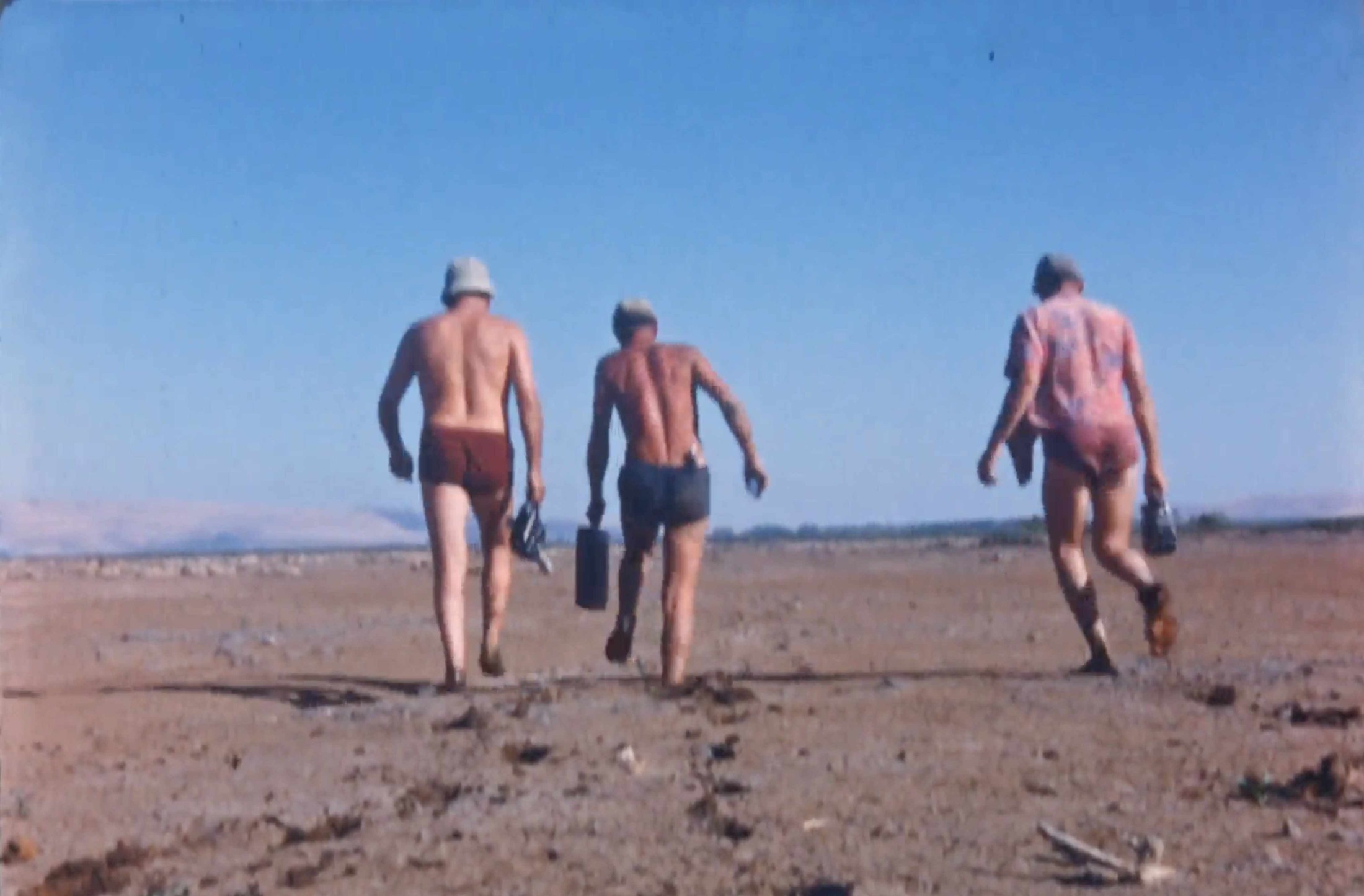
In 1957, Israel completed the draining of the Hula marshes and lake for agriculture. A year earlier, three Jerusalem photographers left their jobs and families, pooled their savings and set out to document the disappearing habitat. They spent a year crawling through the marshes and building hides, leaving rare footage intended for what would have been Israel’s first nature film shot in color.
A 45-minute discussion follows with wildlife photographer Amit Eshel, whose award-winning work has been exhibited in museums internationally. He will present photographs and the stories and fieldwork behind them.
8:30 p.m. – “The Meteorite Gang”. Directed by Yoav Shamir, the 96-minute Israel-Canada production from 2026 is in English with Hebrew subtitles.
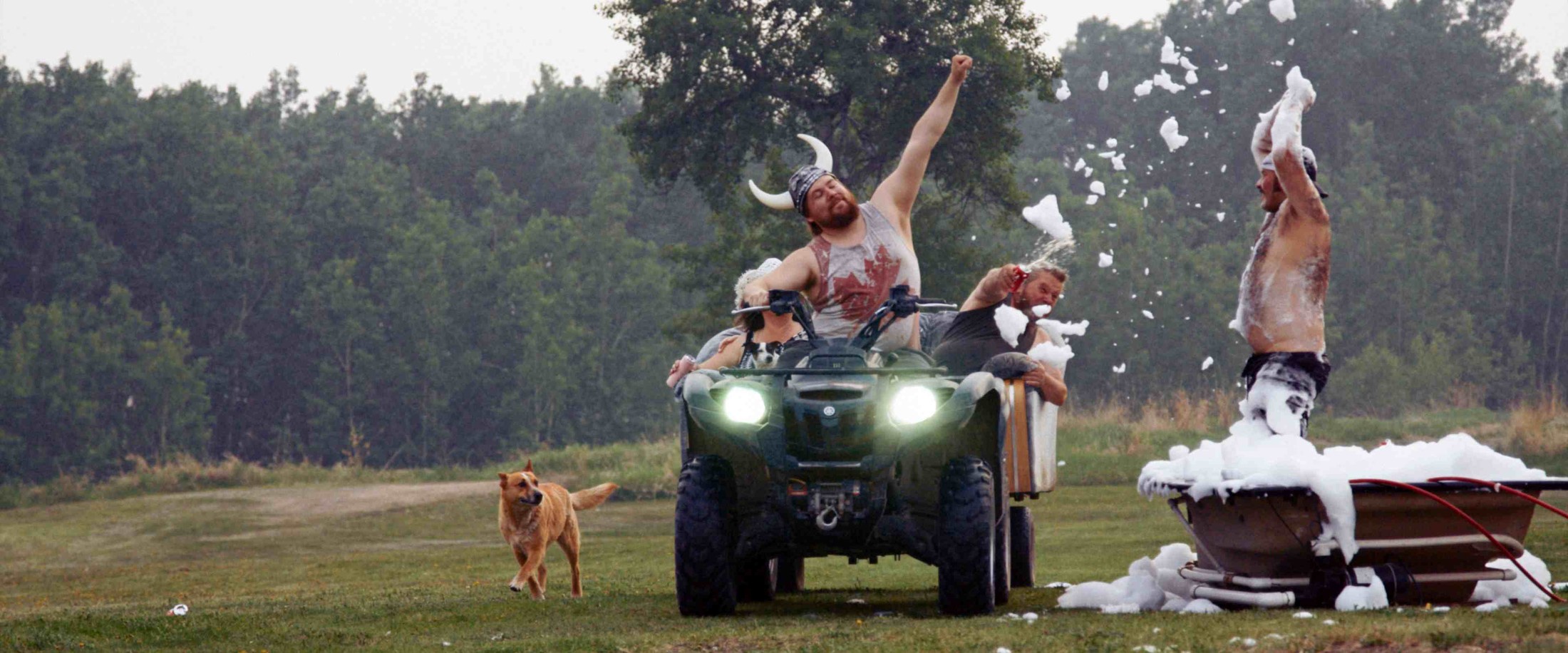
In the far north of North America, a family believes a huge rock stored in an old school bus is a valuable meteorite. A documentary filmmaker in a midlife crisis arrives to investigate and forms an unlikely bond with Dave, the rock’s owner. Their search moves between documentary and fiction, fact and belief, as both hold on to the hope that something extraordinary awaits them.
Thursday, November 19: ocean giants and environmental struggles
6 p.m. – “Ocean Giants”: three films and a discussion with Dr. Adi Barash. The approximately 100-minute event includes a 45-minute conversation with the marine ecologist and shark researcher.
Whales in a Changing Ocean (New Zealand, 2020, 21 minutes), directed by Richard Sidey, follows humpback whales around Antarctica in waters where industrial whaling has been banned. In February 2020 Sidey joined scientists gathering information to protect the region and its threatened species. In English with Hebrew subtitles.
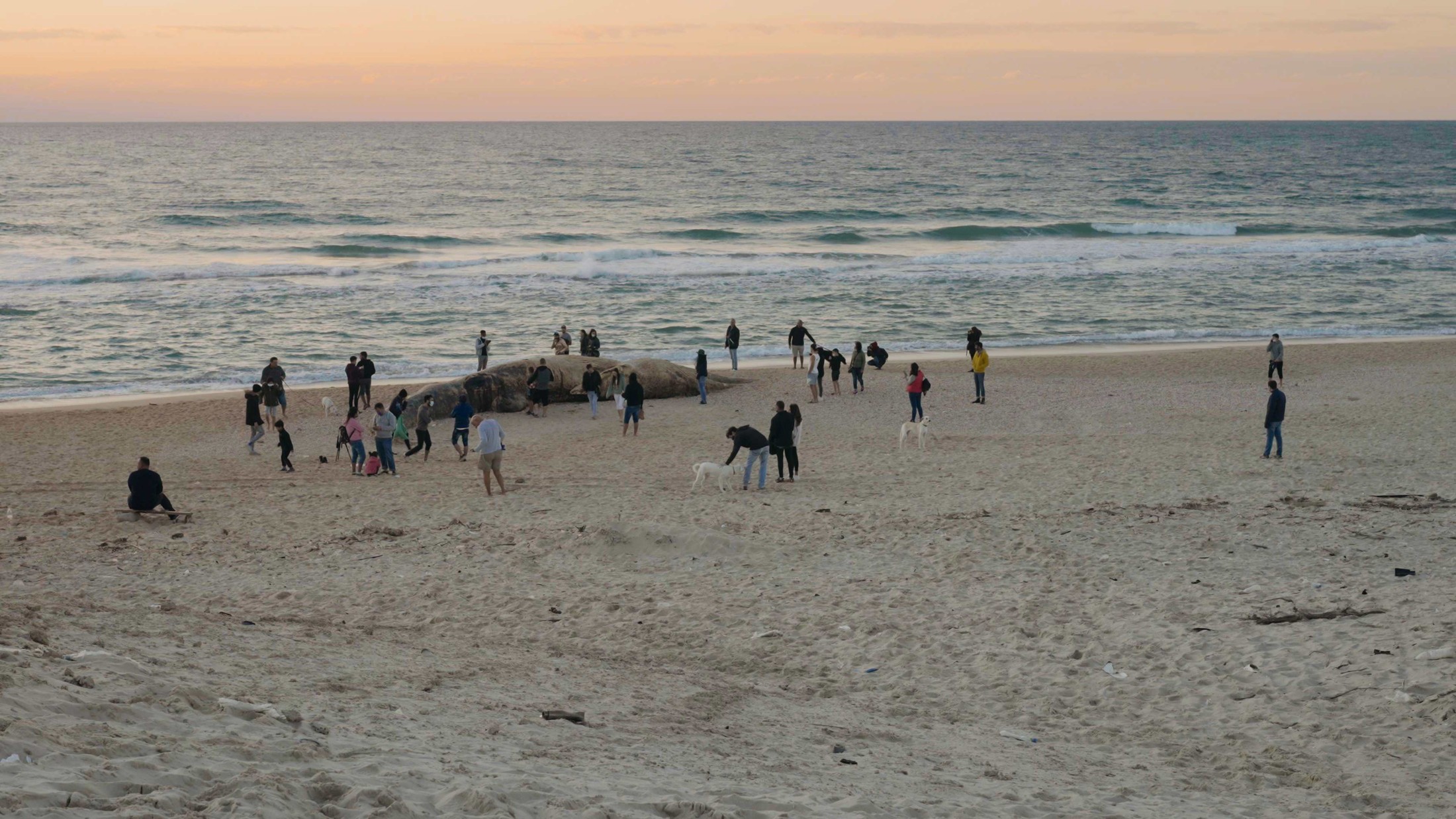
A Requiem for a Whale (Israel, 2022, 14 minutes) considers the encounter between people and a whale carcass washed onto Nitzanim Beach during a storm in early 2021, and the questions it raises about life and death. In Hebrew with Hebrew and English subtitles.
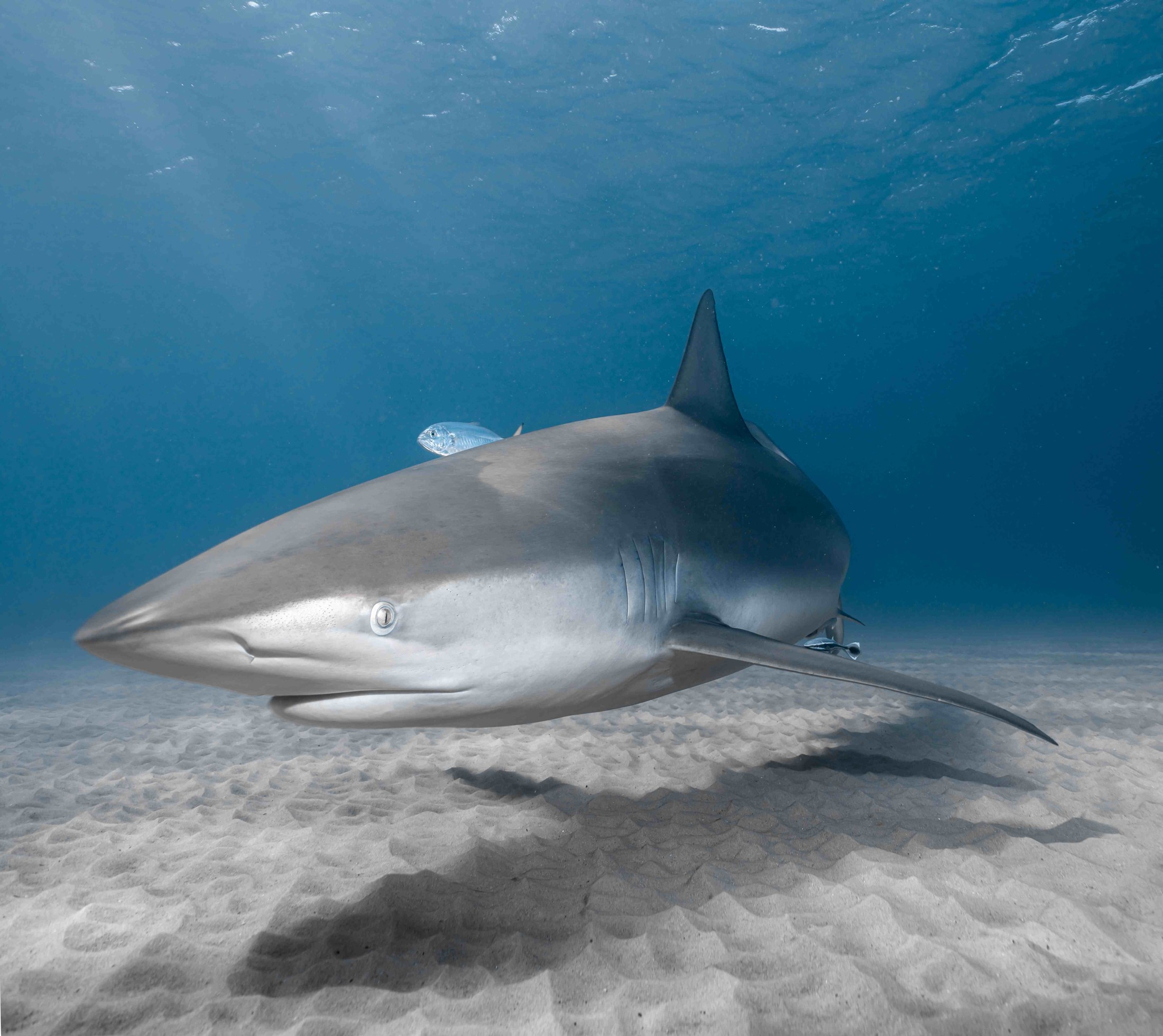
Shark Point (Israel, 2026, 10 minutes), directed by Shaked Barzilai, explores sharks’ arrival off Hadera through a conflict between a diving guide and a marine ecologist. Footage from the year before the fatal shark incident near the power station examines how human decisions affect the sea, wild fish and people. In Hebrew.
8:30 p.m. – “Environment, Family and Struggle”: two films and a discussion with Elia Schwartz. The approximately 90-minute event includes a 30-minute filmmaker conversation.
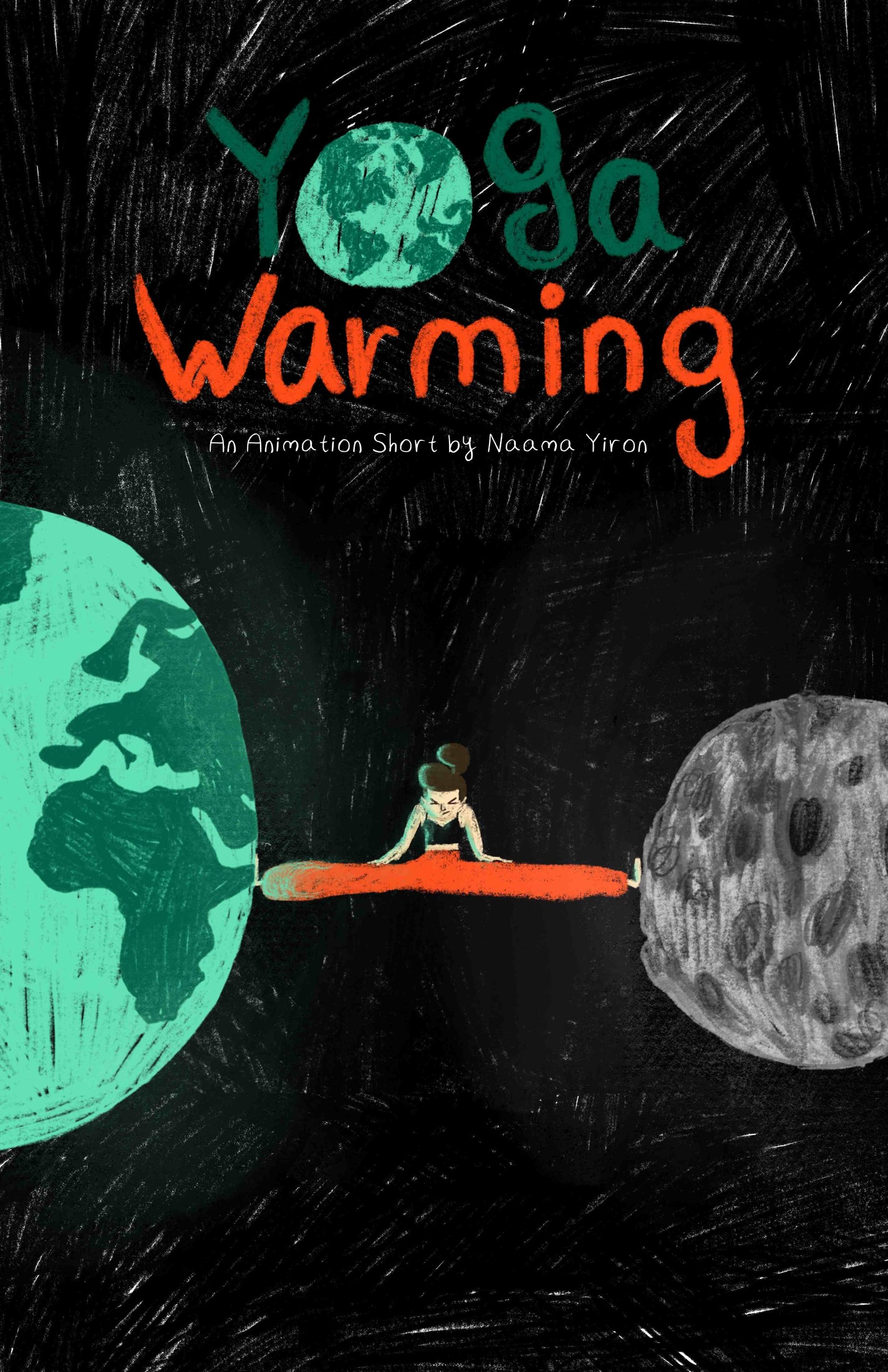
Yoga Warming (Israel, 2023, 5 minutes) is Naama Yaron’s dialogue-free animation about Gaia, who tries to manage her anxiety through yoga as the world around her falls apart. Rising heat and sweat connect her personal unease with environmental destruction.
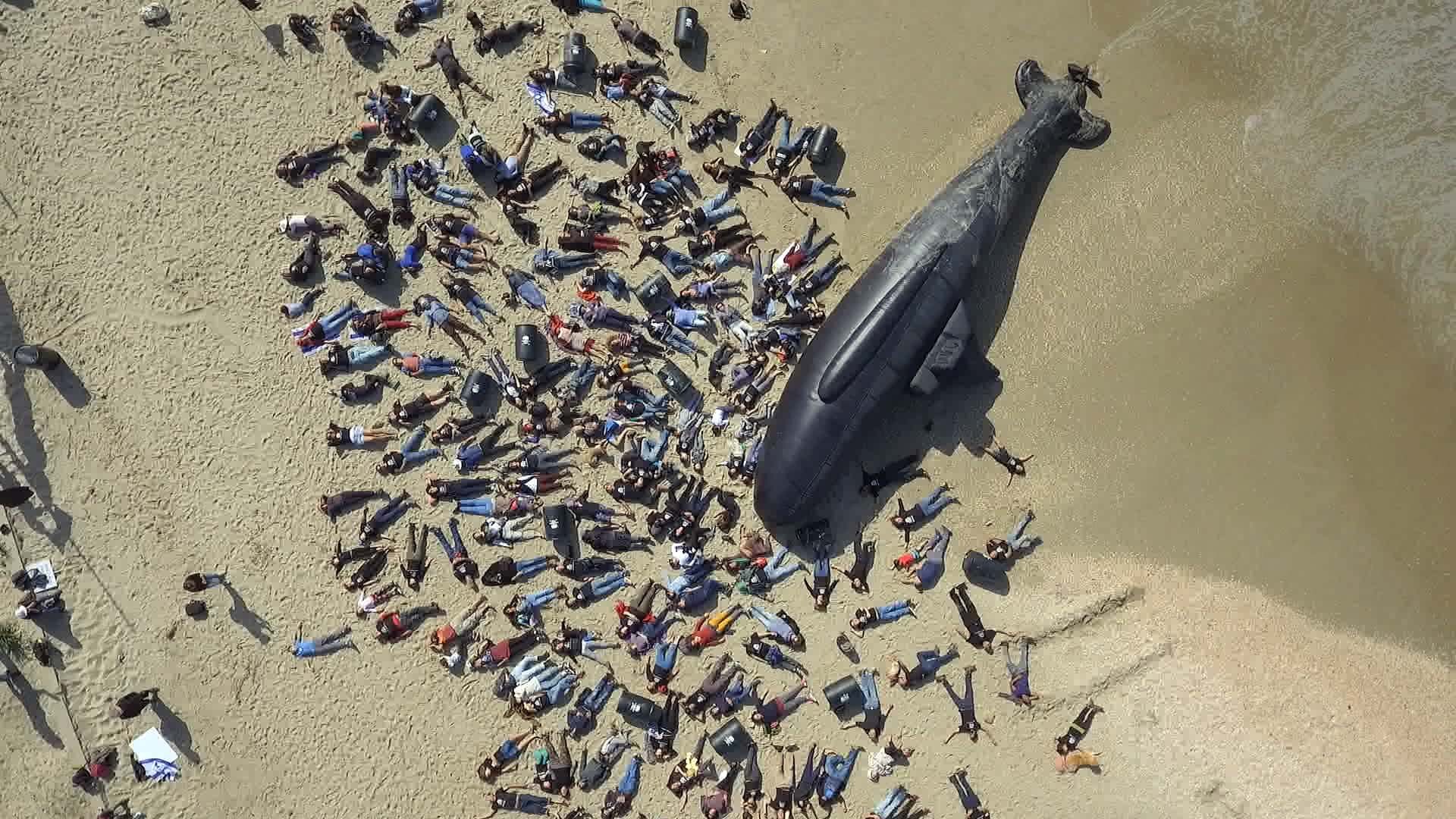
The Whale (Israel, 2025, 55 minutes), directed by Elia Schwartz, follows the struggle over gas platforms through the eyes of 12-year-old Adi. Her father and the Home Guardians organization challenge the interests behind the platforms and their portrayal as green energy. The Hebrew-language film also traces the changing relationship between father and daughter as both grow.
Saturday, November 21: family films and an evening journey
11 a.m. – Ponyo. Hayao Miyazaki’s Studio Ghibli film is dubbed in Hebrew and recommended for ages 5 and up. The goldfish Ponyo reaches land and is rescued by five-year-old Sosuke. Her father, a sea wizard hostile to the human world, wants her home, while the children’s bond leads them into an adventure across sea and land.
1 p.m. – Heart of Oak. Directed by Laurent Charbonnier and Michel Seydoux, the dialogue-free French film from 2022 is recommended for ages 5 and up. It moves among the species that make an oak tree their home and shelter, following threats, neighbors’ disputes, young animals and mutual dependence in a documentary structured like an opera.
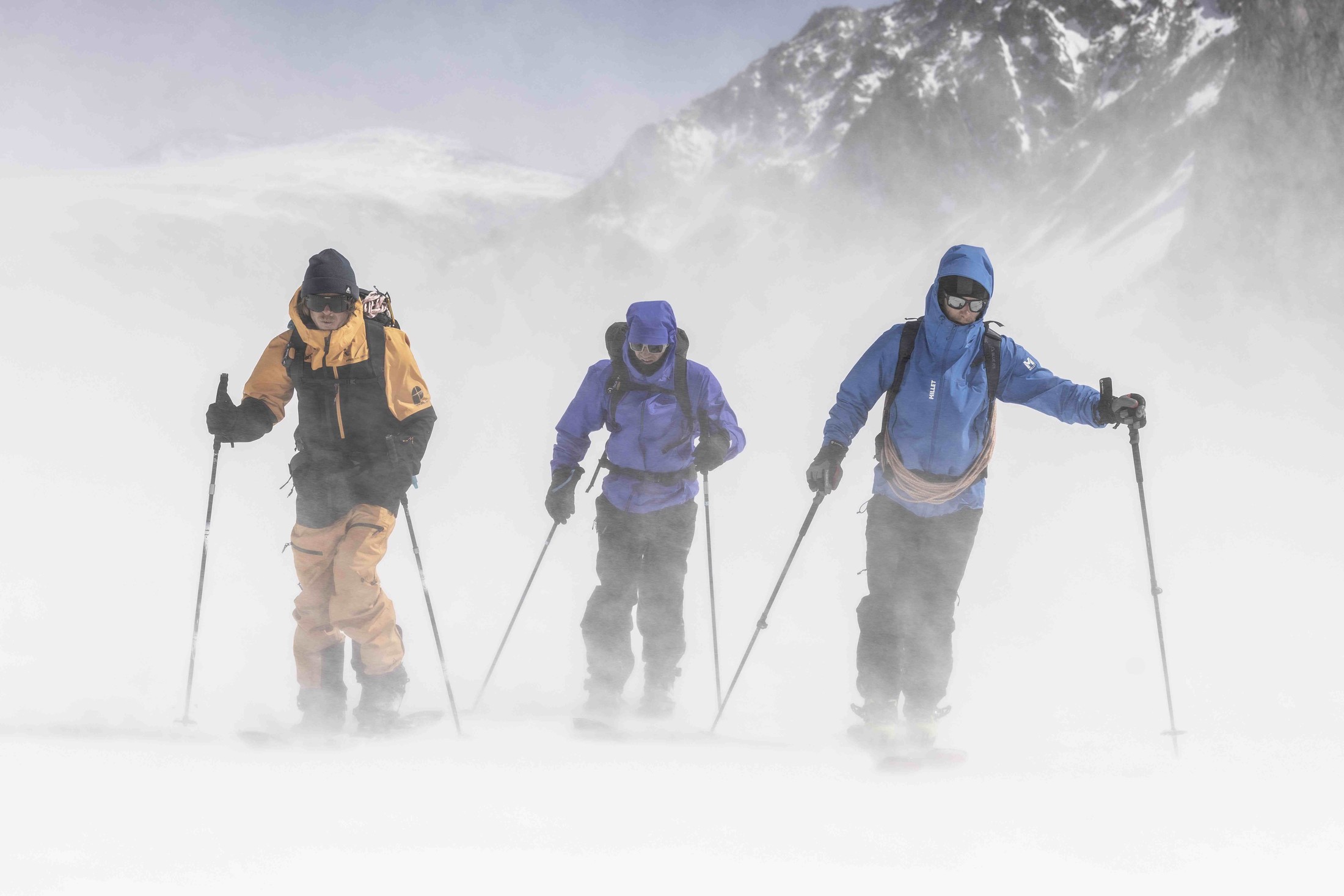
7 p.m. – “Journey to the Edge of the World.” Into Altai (France, 2025, 37 minutes), directed by Yannick Boissenot, follows skiing and snowboarding in Mongolia. Up and Down (New Zealand, 2021, 21 minutes), directed by Dylan Moron, follows a 3,000-kilometer walk begun in 2019. Frozen Frames: Murphy’s Yellowstone (U.S., 2025, 27 minutes), directed by Allison Argo, follows photographer Tom Murphy in winter. Into Altai is in French, the others in English, all with Hebrew subtitles. Evening program details (Hebrew).
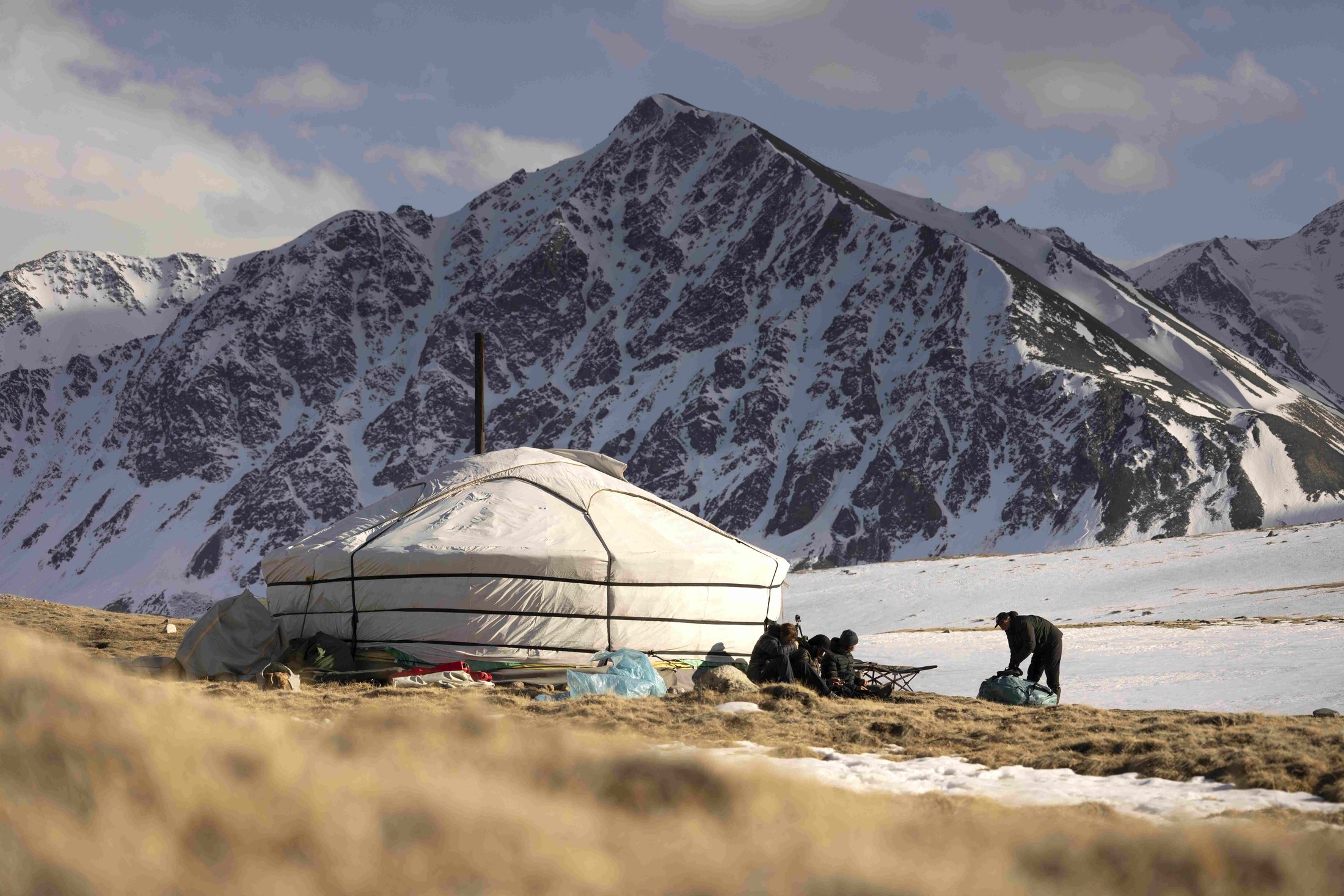
Into Altai is set in Mongolia’s Tavan Bogd range, with a yurt serving as the expedition’s base camp.
Tickets and museum admission
Evening screenings on November 18, 19 and 21: NIS 48 per screening, NIS 42 for students and NIS 33 for DigiTel cardholders. A two-screening pass costs NIS 75, or NIS 55 with DigiTel. A three-screening pass costs NIS 120, NIS 105 for students or NIS 95 with DigiTel.
Saturday morning family films, including museum admission: NIS 72 for a combined ticket, NIS 55 with DigiTel and NIS 20 for children up to age 5. The combined price is based on museum admission plus NIS 20.
Steinhardt Museum of Natural History, 12 Klausner Street, Tel Aviv. Full program and tickets (Hebrew).
A festival that began in the Upper Galilee
Rappelling and free-climbing guides Yoav Rotem and Guy Ilan conceived the festival after a day’s work on the Ramim cliffs overlooking the Hula Valley. The first edition took place in spring 2017 in partnership with the Adventure Film Festival in Boulder, Colorado. It has since run annually in the Upper Galilee and other locations around Israel, becoming an independent festival. This is its first Tel Aviv edition.